Freeport McMorRan: Is the Future of Mining Automated?
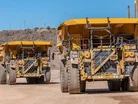
Freeport-McMoRan Copper & Gold Inc. is driving a low-carbon transformation across its mining operations through the integration of next-generation Autonomous Haulage Systems (AHS) and renewable energy infrastructure.
As part of its long-term strategy, the company is aligning operational innovation with sustainable energy goals.
This is becoming an increasingly important thing in the global mining sector, which is an industry facing economic, regulatory and environmental pressures.
The company’s seven main innovation areas reveal how it is using energy intelligence and digitalisation to enhance performance while cutting emissions.

Evolving operations for energy resilience
Freeport McMoRan operates globally, from Indonesia’s Grasberg Mine to sites across Arizona and South America.
Each location it operates in is advancing towards improved energy performance, combining smart automation with sustainable design.
By embedding advanced energy technologies, Freeport is cutting costs, stabilising supply and reshaping its long-term operational resilience.
Energy-intensive industries are under pressure to meet demand as volatility, resource scarcity and high labour costs disrupt global supply chains.
For Freeport and other miners, energy automation offers a clear route to improve efficiency while reducing human error and operational downtime.
Through the adoption of AI and digital haulage systems, these companies are achieving lower energy waste, greater safety and more consistent output.
Driving efficiency through technology
Three of Freeport’s current initiatives demonstrate how advanced digital systems can drive energy and carbon outcomes alongside productivity.
1. AI-driven Autonomous Haulage Systems (AHS)
Across Arizona and Indonesia, Freeport is deploying AI-powered autonomous trucks designed to optimise ore extraction, route planning and equipment maintenance. These vehicles adjust speed and power usage for efficient fuel management, reducing greenhouse gas emissions while improving safety and energy intensity per tonne moved.
The approach is already delivering an estimated 18% improvement in haulage efficiency and a 22% fall in accident rates alongside around-the-clock operations and new technical job opportunities.
2. Advanced Ore Sorting and Process Automation
The introduction of AI sensors and X-Ray transmission systems enables precise ore separation, reducing the energy and chemical load required in processing. This innovation has cut power intensity by up to 12% per tonne while boosting overall recovery rates by 20–25%.
For the wider energy economy, it demonstrates how digital automation can lower emissions and enhance the circular use of resources within industrial operations.
3. Digital Twin Modelling and Predictive Analytics
By combining real-time geological data and AI-driven simulation, Freeport is now able to predict maintenance requirements and optimise energy use across its haulage and extraction network. This integrated modelling can reduce downtime by 30%, helping minimise wasted fuel and excessive standby consumption.
This approach is creating a blueprint for data-led energy management across the mining value chain.
integrating clean energy across mining
Freeport’s next four innovations expand beyond digitalisation, targeting clean energy use and environmental stewardship.
4. Real-time Environmental Monitoring
Using satellite and IoT sensor data, Freeport can measure air, water and soil quality around its operations with immediate precision. This technology allows earlier intervention on pollution risks and fosters community trust through transparent, real-time data access.
5. Renewable Energy Integration (Solar and Wind)
Solar parks and wind farms near Grasberg and Morenci are now providing a significant share of site power, cutting dependency on diesel generation. Early projections indicate a 30% reduction in fossil fuel consumption and a 40% energy-related carbon cut.
The result is a more stable power supply, improved air quality and reduced environmental footprint, all of which are essential steps for building a low-carbon energy strategy in mining.
6. Water Management and Recycling Systems
With closed-loop systems and improved tailings control, Freeport has reduced water withdrawal by half and lowered total energy draw associated with pumping and treatment. These improvements also lessen contamination risk and support sustainable community water access.
7. Community Engagement and Local Energy Value Chains
Digital platforms now connect Freeport directly with local communities to share updates, training and supplier opportunities. This engagement underlines the company’s shift toward integrated local energy solutions that generate jobs and resilience beyond the mine gate.

Through these strategic investments, Freeport McMoRan is not only advancing operational productivity but also redefining how mining interacts with energy systems.
By aligning technological innovation with carbon and resource goals, the company is helping model a future where mining operates within a cleaner and more efficient energy landscape.