
How Ecolab Tackles AI Data Centre Energy & Water Demands
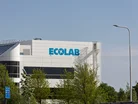
Ecolab has published its 2025 Growth & Impact Report, outlining a strategy that links business performance to environmental outcomes. The company provides water, hygiene and infection prevention solutions across more than 170 countries, combining science with digital intelligence.
A team of 48,000 associates works to protect resources while supporting customer operations. The approach could show a pathway to separate economic growth from resource intensity, according to the report.

AI infrastructure and water management
Artificial intelligence is creating new demands on energy and cooling water systems. According to Ecolab, data centres powering AI advancements could consume more than one trillion gallons of global freshwater each year by 2027. This projection could mean new constraints for operators in water-scarce regions.
Ecolab has implemented a site-to-chip approach using 3D TRASAR technology. The system provides continuous monitoring and optimisation of water quality. Direct-to-Chip Liquid Cooling, combined with AI-enhanced insights, helps organisations protect servers and improve reliability where water is limited.
The company aims to improve water use efficiency by 40% across its enterprise. The technology turns data into operational intelligence for digital infrastructure.
"Water is the foundation of life and business," says Christophe Beck, Chairman, President and CEO at Ecolab. "We cannot create more water, but we can reimagine how we use it. Companies that act decisively, apply proven solutions and work in partnership will lead the next era of growth."
Energy efficiency and decarbonisation
Ecolab supports customer decarbonisation through energy-saving technologies such as low-temperature laundry and cleaning programmes. In 2025, the company helped customers avoid 4.7 million tonnes of GHG emissions using verified eROI methodologies, according to the report.
Within its own operations, Ecolab has cut absolute Scope 1 and 2 emissions by 44% from a 2018 base year. The company now powers 92% of its global operations with renewable electricity. On-site geothermal systems and solar installations provide this power.
These actions position Ecolab to meet its 2030 goal of cutting operational emissions by 50%. The company is also working toward a net zero future.
By 2030, the company aims to:
- Support customers in helping prevent nearly 10 million pollution-induced illnesses by reducing GHG emissions by 6 million tonnes
- Cut operational emissions by 50%
- Oower 100% of global operations with renewable electricity
- Reduce value chain emissions by 25%.
"At Ecolab, we help customers succeed in a challenging environment by making their operations smarter, more resilient and more productive, turning resource complexity into enterprise value," says Emilio Tenuta, Senior Vice President and Chief Sustainability Officer at Ecolab, in the company's 2025 Growth & Impact Report. "Our 2030 Customer Impact Goals reflect that discipline."
Health protection and hygiene
Ecolab's sales and service teams work to help protect more than one-third of the world's food production. They also work to safeguard people from foodborne illnesses and infections. In 2025, their efforts helped protect 1.7 billion people, according to the report. The company has set a goal to increase this to two billion people by 2030.
In healthcare facilities, environmental hygiene and disinfection programmes are deployed to improve patient care and operational efficiency. These services help critical manufacturing and service environments remain clean and compliant with global safety regulations.

"Ecolab helped protect 1.7 billion people from foodborne illnesses and infections and conserve enough water to meet the drinking needs of 849 million people," says Christophe. "Yet by 2030, the world is projected to face a 56% freshwater shortfall, even before accounting for new demand from AI, data centres and manufacturing."
Circular economy and supply chains
Ecolab applies circular economy principles throughout its product life cycle. The company's packaging design focuses on material reduction, which helped avoid 36 million pounds of packaging waste in 2025, according to the report.
Innovation programmes like ReadyDose use concentrated solid tablets. This format reduces plastic packaging waste by 98.8% compared to equivalent liquid products. Ecolab is also moving away from substances of very high concern. Such ingredients represented only 0.2% of its annual revenue in 2025.
The company works with more than 17,300 suppliers globally. Ecolab requires 100% of its direct suppliers to comply with a Supplier Code of Conduct that covers ethical labour, human rights and environmental stewardship.
The company has set a 2030 goal to reduce absolute Scope 3 value chain emissions by 25% from a 2022 base year. Ecolab spent US$533m with certified underrepresented suppliers in 2025 to support innovation and economic activity in local communities. The company makes 90% of purchases within local operating markets, which could strengthen supply chain resilience and reduce resource intensity.
Company portals
Executives

Christophe Beck
Chairman and CEO

Emilio Tenuta
Senior Vice President and Chief Sustainability Officer at Ecolab