How Wind & Solar Generation Overtook Gas For the First Time
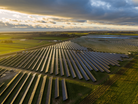
Global electricity markets reached a notable inflection point in April 2026, as generation from wind and solar exceeded gas-fired power for the first time, according to new data from Ember.
Together, wind and solar delivered 22% of global electricity output, overtaking gas at 20%, based on Ember’s latest analysis.
In absolute terms, renewable generation outpaced gas by 54TWh during the month.
The figures arrive against a backdrop of volatile gas supply and pricing, reinforcing the shifting economics of power generation and casting doubt on the long-term reliance on imported fossil fuels. They also suggest that any short-term return to coal during the energy crisis has been relatively contained.
“Countries around the world have been turning to wind and solar because they are cheap, homegrown and secure sources of electricity,” says Kostantsa Rangelova, Global Electricity Analyst at Ember.
“The current energy crisis has further strengthened the economic case for renewables compared to imported gas, while also adding greater political urgency to accelerate deployment.
“For many importing countries, LNG-powered electricity is increasingly unable to compete with wind and solar.”
Renewable output accelerates across key markets
The latest milestone reflects a rapid expansion in renewable capacity over recent years. In April 2021, global gas generation stood at a comparable level (476TWh), yet was nearly twice that of combined wind and solar output (245TWh).
By April 2026, that balance has shifted significantly as renewable deployment gathers pace across major economies.
Global wind and solar generation is estimated to have risen 13% year-on-year, with strong growth recorded in China (up 14%), the EU (up 13%), the UK (up 35%), the US (up 8%), Australia (up 17%), Chile (up 24%) and Brazil (up 4%), according to Ember.
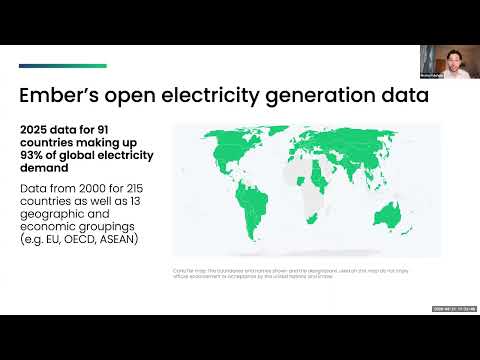
The analysis draws on reported data from 36 countries, alongside estimates for those yet to release April figures. Ember cautions that the milestone does not yet represent a permanent reordering of the global power stack between renewables and gas.
Even so, industry leaders see the trend as indicative of a structural shift.
“Projections are becoming reality. This milestone demonstrates the potential of the renewables industry to not only displace coal, but also gas - we anticipate this trend accelerating as storage solutions scale across the globe.”
Seasonal factors have also played a role, with spring conditions in the northern hemisphere – combining strong wind resources with higher solar irradiance – boosting renewable output while easing demand for gas-fired generation.
“The milestone occurred during the first full month of the latest global energy crisis triggered by the conflict in the Middle East, highlighting how rapidly growing wind and solar generation is reshaping the global power mix even amid fossil fuel market volatility,” says Bruce Douglas, CEO at the Global Renewables Alliance.
“Grids and Storage (of all durations) now needed at scale to move the abundant green electrons in time and location.”
A long-term shift in the energy mix
April’s data point is the latest signal of a broader transformation underway in global electricity systems.
Across the EU, wind and solar accounted for 30% of total electricity generation for all of 2025, narrowly surpassing fossil fuels at 29%, with the remainder largely supplied by nuclear.
On a global level, the transition is also gaining traction. During the first half of 2025, renewables overtook coal generation for the first time on record, marking another key milestone in the evolving energy landscape.