
Venezuela, Methane & EU: This Week's Top Five Energy Stories
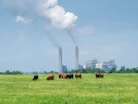
1. TotalEnergies, bp & Chevron Pull Methane 'Emergency Brake'
Tackling methane is the fastest emergency brake for global warming as 150 nations join the Global Methane Pledge to cut emissions by 2030
If carbon dioxide is the marathon runner of climate change, methane is its sprinter.
While CO2 lingers for centuries, methane is a fleeting visitor, persisting in our atmosphere for only about a decade. However, while it does not linger, methane is incredibly intense.
It has a Global Warming Potential over 80 times higher than that of CO2 over a 20-year horizon. This makes it responsible for roughly 30% of global temperature increases since the Industrial Revolution.
All of which means that, despite belching cows being partly responsible, it is not a laughing matter for businesses or scientists.
2. What is Europe's Plan to Deal with the Iran Energy Crisis?
European Commission President Ursula von der Leyen has outlined the EU’s plan to respond to the energy crisis caused by the unfolding conflict in Iran
Ursula von der Leyen, the President of the European Commission and one of the EU’s most influential individuals, delivered a short, but hugely significant speech on Wednesday (April 29).
At the European Parliament in Strasbourg, she addressed the EU at large, setting out the bloc’s strategy for dealing with the fallout of the US-Israeli war on Iran, which has destabilised the world’s energy markets since the end of February.
During her speech, Von der Leyen laid out the impact the conflict has had on Europe so far. After just 60 days of conflict, the EU's bill for fossil fuel imports had risen by more than US$30bn.
Her speech followed on from a meeting of the informal European Council, where the continent’s energy predicament was discussed at length. During that session, the transition to renewables and the bloc’s energy security was a hot topic.
With the closure of the Strait of Hormuz representing the second major energy crisis in just four years, Von der Leyen and her European Commission colleagues suggest that recent events should settle any remaining debate about the EU’s reliance on imported fossil fuels.
3. Why US Oil Majors are Reigniting Their Interest in Venezuela
Following the removal of President Nicolás Maduro in January, Chevron CEO Mike Wirth is optimistic about the future of US oil investment in Venezuela
When US President Donald Trump ordered the US military to overthrow Venezuela's President Nicolás Maduro in early January, he made it clear what his intentions were.
“We’re going to have a presence in Venezuela as it pertains to oil,” Trump said in a press conference on 3 January. “We’re going to be taking a tremendous amount of wealth out of the ground.”
Venezuela has the largest proven oil reserves of any nation on the planet, though it is only 23rd in the list of oil exporters. Trump's aim has been to increase production in Venezuela in a way that can benefit American consumers and oil companies alike.
Despite these intentions, however, investments from said oil companies have not been as immediately forthcoming as the President would have hoped.
Just a week after the US intervention in Caracas, CEO of ExxonMobil, Darren Woods, described Venezuela as "un-investable", saying that he needed to see "some pretty significant changes" before his company would consider investing in the country.
Meanwhile, Ryan Lance, the CEO of ConocoPhillips, said that Venezuela needed to "completely rewire" its economy if it wanted to attract foreign investment.
That corporate hesitance looks like it is beginning to change, though.
4. How the National Grid is Embracing Sustainability
National Grid’s SEAP unites climate and social goals, targeting EV fleets, energy efficiency and low-carbon materials to build a cleaner, resilient grid
The National Grid has set out a new roadmap to accelerate the UK’s energy transition which encompasses the company's environmental priorities and social impact.
The firm oversees the maintenance and renovation of one of the world's oldest nationwide electrical systems. For the past few years, the UK's power network has been undergoing a significant revamp referred to as the "Great Grid Upgrade".
An important piece of this puzzle is the National Grid's Social and Environmental Action Plan (SEAP) for 2026–2031.
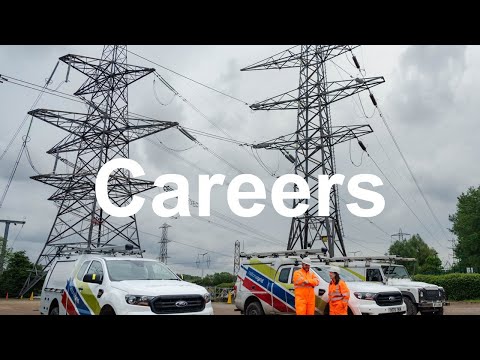
It represents a shift in how it aligns infrastructure investment, operational performance and community outcomes with the demands of a rapidly evolving energy system.
By integrating these priorities, the National Grid is looking to strengthen grid resilience while supporting the expansion of low-carbon electricity and meeting rising demand.
Structured around four pillars – Climate Action, Nature Positive, One Planet Living and Social Value – the plan is designed to support the delivery of a modern, flexible and decarbonised energy network.
5. Inside British Gas' £40m Fund for Tackling Fuel Poverty
British Gas' £40m (US$54m) investment into British Gas Energy Trust aims to boost support for vulnerable households facing rising energy costs
British Gas has announced it is committing £40m (US$54m) of funding over the next five years to support households struggling with energy costs.
The funding, set at £8m (US$10m) annually, will be directed to the British Gas Energy Trust, enabling it to expand its support for vulnerable households across England, Scotland and Wales.
The move reflects continued strain on households struggling with finances and the cost of living, with demand for energy and debt advice showing little sign of easing.
The Trust, which is solely funded by British Gas, provides practical support including energy and debt relief grants and emergency fuel vouchers.
It also supports funding for essential household items like fridge-freezers and washing machines, and delivers outreach programmes designed to reach communities most at risk of fuel poverty.