
CBRE: The Future of PPA Prices in the United States
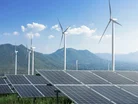
The United States stands as a leading player in the global clean energy investment sphere according to the International Energy Agency.
Despite this prominence, the country faces an upward trajectory in the pricing of utility-scale Power Purchase Agreements (PPAs), with no immediate relief in sight according to real estate heavyweight CBRE.
Robert Bernard, Chief Sustainability Officer at CBRE, says: “As we move forward with helping our clients source renewable energy, we will continue to provide insights into the many factors which influence this market.
“While there is great momentum, we also want to be transparent about the challenges that the industry faces; transforming energy systems is a multi-dimensional, complicated issue.“
Favourability outlook for PPA offer inputs
The Inflation Reduction Act paints a promising picture for the future of government incentives in renewable energy, with expectations set against its repeal.
On the solar front, the landscape looks equally optimistic, though challenges like reduced supply from manufacturers and new tariffs may impose additional costs.
The scenario for engineering, procurement and construction labour shows a less favourable outlook.

A dire shortage of skilled labour, which will take years to address, and stiff competition across various sectors paint a challenging picture for this segment.
Conversely, financing prospects are brightening as the Federal Reserve signals further interest rate reductions, setting a positive tone for financial aspects.
Wind energy generation equipment
As per CBRE’s insights, the cost of onshore wind turbines in July 2024 remains steep - about 39% higher than pre-pandemic figures.
This hike is exacerbated by a more than 10% uptick in turbine prices over the previous year.
Manufacturers strive for better margins following periods of marginal or negative profit, driving this price increment.
“A substantial reduction in wind turbine prices would necessitate a significant decrease in input material costs and demand. Given the extensive global use of steel and copper, demand is likely to remain sufficiently high to prevent a drastic drop in prices,” explains the CBRE report.
Solar energy generation equipment
The market for solar modules noted record-low prices throughout 2024, a reflection of historically low input costs coupled with fierce competition.
However, this trend might not hold as cost pressures begin to mount CBRE warns.
Key materials like silver alongside increased freight costs and heightened import tariffs by the US government in May 2024 contribute to this shift.
Further stressful for the market is the lifting of a two-year exemption on tariffs from Southeast Asian countries, complicating the pricing landscape for solar panels.
Outlook on interconnection
Interconnection costs are on an upward trajectory as well, a result of high utilisation of accessible connection points.
CBRE's report says: “Even if developers do not fully bear the cost of interconnection, lengthy and uncertain projects can lead to cascading effects, resulting in delays, cancellations and increased costs, ultimately constraining the overall supply of renewable energy.”
Nevertheless, progress can be seen with the Federal Energy Regulatory Commission’s endorsement of both Order 1920 and Order 1977, which are poised to bolster transmission infrastructure.
However, substantial time and financial investment are required for grid upgrades necessary to alleviate interconnection constraints extensively.
Explore the latest edition of Energy Digital Magazine and be part of the conversation at our global conference series, Sustainability LIVE.
Discover all our upcoming events and secure your tickets today.
Energy Digital is a BizClik brand