Revealed: How EDF Will Decarbonise Shipping Giant GEODIS
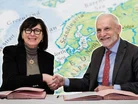
GEODIS and EDF are joining forces to accelerate the energy transition across the logistics sector, beginning in France and with plans to expand across the globe.
It is a collaboration with the express aim of reducing emissions across supply chains through the use of innovative low-carbon and renewable energy solutions.
The two firms believe that their partnership will encourage the use of cleaner energy across France's logistics networks and help to identify where improvements can be made as regards energy performance.

How to make the logistics industry more sustainable
GEODIS, one of the world's leading freight forwarding and logistics firms, currently operates in more than 170 countries and specialises in freight transport, contract logistics and distribution. It also works on all scales, from huge international cargo shipments to single parcels and packages.
On the other side of the partnership is EDF, one of Europe's leading electric utility companies and energy providers.
In recent years, both companies have had a sharp focus on sustainability, focusing on decarbonising their own operations as well as those of other organisations.
EDF's work spans everything from the electrification of transport, to renewable power generation, to improving energy efficiency for businesses and customers.
Together with GEODIS, EDF will be looking to apply its expertise to cut emissions across GEODIS’ warehouses and transport flows while optimising energy use throughout operations.
For EDF, the collaboration also opens opportunities to leverage GEODIS’ logistics capabilities to enhance efficiency within its own supply chain.
"The signing of this agreement marks a decisive step for our Group and is fully aligned with our decarbonisation roadmap," says Marie-Christine Lombard, Chairwoman of the GEODIS Executive Board.
"This partnership allows us to put our expertise at the service of EDF while opening new development opportunities for GEODIS. It reflects the determination of two French leaders to join forces and take concrete, sustainable action for the environment."
How EDF and Geodis are integrating energy and logistics strategies
A Strategic Steering Committee will oversee progress, ensuring the partnership achieves measurable outcomes. Representatives from GEODIS and EDF Group subsidiaries, including Izivia and EDF Power Solutions, will coordinate on implementing projects that blend logistics efficiency with clean energy infrastructure.
The partnership centres on six main initiatives aimed at improving energy performance across GEODIS’ operations:
EDF will supply low-carbon electricity to GEODIS sites in France and abroad
Energy audits and optimisation plans will support greater efficiency in logistics facilities, supplemented by heat recovery and other innovative technologies
Warehouses will increasingly generate on-site renewable energy, including rooftop solar arrays and solar carports
Charging networks for electric vehicles, vans, and heavy trucks will expand to accelerate electrification across logistics operations
Land assets will be evaluated for alternative energy or digital uses, including potential data centre development
EDF and GEODIS will explore how the logistics provider can support procurement, storage, and distribution for EDF’s energy projects
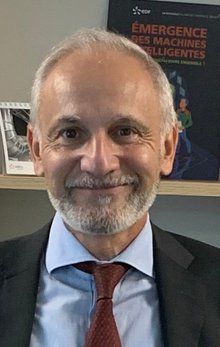
"As the logistics sector accounts for 16% of CO₂ emissions in France, its decarbonisation is a critical challenge," explains Marc Benayoun, EDF Group Executive Director in charge of the Customers, Services & Territories Division.
"This partnership demonstrates EDF Group’s ability to support GEODIS, a global leader in transport and logistics, with a comprehensive range of solutions to improve its carbon footprint."
Powering a more sustainable supply chain
By aligning energy and logistics strategies, GEODIS and EDF aim to model a new approach to industrial decarbonisation.
Their partnership highlights how renewable energy integration, electrification and smarter energy management can transform one of the world’s most emission-intensive sectors.
The outcome will be a more efficient and resilient logistics model – powered by clean energy and driven by innovation.


Executives
Marc Benayoun
Executive Director of the EDF Group in charge of the Customers, Services & Territories Division
Marie-Christine Lombard
CEO