
ABB Q&A: Brandon Spencer on Unlocking Geothermal's Potential

The potential of geothermal energy is well known.
According to the IEA, the planet has enough geothermal capacity – at a drilling depth of just 8km – to cater to global energy demand 30 times over.
What's more, it promises something that solar and wind simply cannot – uninterrupted, round-the-clock energy that does not fluctuate with the weather.
But for all this promise, geothermal has remained a niche power source. It has been held back by geography, high costs and a lack of visibility compared with other renewables, but that is beginning to change.
Innovative new techniques and technologies are freeing geothermal from its shackles, while automation and AI are helping to push performance and planning to brand new heights.
Companies like ABB are absolutely central to this shift, supplying the motors, drives and digital control systems needed to bring geothermal into the mainstream.
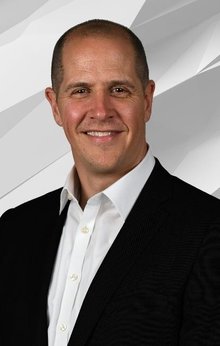
Brandon Spencer, President of ABB Motion, spoke to Energy Digital about all things geothermal.

Please introduce yourself, your role and your responsibility at ABB.
I’m Brandon Spencer, President of ABB Motion, one of ABB’s three business areas.
We are a global leader in motors, drives and technologies that power critical applications across virtually every industrial sector.
We continuously innovate and push the boundaries of technology, delivering energy efficient, decarbonising and industrial circular solutions that create lasting value for customers, industries and societies.
What is ABB's role in geothermal energy?
As geothermal energy gains momentum as a dependable source of clean baseload power, ABB is well positioned to support its growth.
Our experience across critical energy infrastructure, combined with our broader advanced digital and automation technologies, helps strengthen grid resilience by moving projects from concept to reliable, large-scale operations.
ABB provides geothermal facilities to operate safely, efficiently and reliably throughout their lifecycle.
Our capabilities span everything from power distribution and control systems to process optimisation and asset performance management.
By integrating these technologies into a complete solution, we help developers reduce project complexity, accelerate execution, improve operational performance and maximise the value of their geothermal resources.
ABB has partnered with several companies working to scale geothermal to meet rising energy demands. These partnerships demonstrate our commitment to making geothermal a mainstream solution for baseload power.
What are the main benefits of geothermal?
Geothermal provides baseline, consistent energy with a small environmental footprint.
Unlike solar or wind, geothermal can deliver clean energy 24/7 with virtually zero emissions, providing consistent baseload power to support modern grids.
This allows it to work alongside other energy choices to power energy-intensive industries like AI data centres.
Next-generation geothermal technologies are also well suited to energy storage, pairing with solar and wind to smooth supply fluctuations and improve overall grid stability and resilience.
Geothermal plants have low and predictable operating costs, which supports long-term energy price stability.
It represents not just another renewable energy source, but a transformative technology capable of delivering clean, firm, dispatchable power at scale.

Historically, what has stopped geothermal from becoming a larger part of the global energy mix?
The most fundamental barrier is geography. Conventional geothermal systems depend on very specific natural conditions. They need the right combination of heat, underground fluids and permeability all occurring in the same place.
The second barrier is cost. Drilling deep into the earth is expensive and the upfront capital required to explore and develop a geothermal site is substantial.
Finally, renewable energy policies have been designed around solar and wind, which ultimately have lower equipment costs and fast deployment timelines.
As a result, geothermal, with its longer lead times and higher upfront costs, has often been left at a disadvantage in those frameworks.
One factor that also gets overlooked is awareness.
Geothermal simply hasn't had the same visibility or investment in public understanding as other renewables. That has slowed the development of supply chains, skilled workforces and the broader ecosystem needed to scale any energy technology.
The good news is that the picture is changing rapidly. The historical barriers are real. However, the question now isn't whether geothermal can scale, it's how fast we can make it happen.
The historical barriers are real. However, the question now isn't whether geothermal can scale, it's how fast we can make it happen
Are recent innovations and technological advancements – especially from ABB – breaking down these barriers?
Absolutely. The speed of change in the last year and a half alone has been amazing. The barriers we discussed historically are being dismantled by technological innovations, strategic partnerships and a shift in how the potential of geothermal is viewed.
The biggest breakthrough has been in drilling technology. Enhanced geothermal systems (EGS) now leverage advanced drilling techniques borrowed from the oil and gas industry.
This means geothermal is no longer constrained by geography.
At ABB, we're playing a critical role in making that scaling possible. Our partnerships with Fervo Energy and Sage Geosystems are tangible examples.
With Fervo, we're delivering comprehensive motor control solutions, including more than 80 advanced drives, for the Cape Station project in Utah, which will deliver 500MW of clean power to the grid starting from this year.
With Sage, we're developing integrated automation and electrification solutions to support 150MW of geothermal power for Meta's data centres.
ABB also deploys distributed control systems (DCS), electrical infrastructure architecture and digital solutions for asset performance management and process optimisation at geothermal sites around the world.
These improvements mean geothermal plants can operate with greater efficiency, reliability and autonomy than ever before.
Why has 'performance per megawatt' become more important lately?
Performance per megawatt is where projects are now won or lost.
As industries face increasing pressure from limited grid resources and tighter project timelines, the constraint is no longer just access to energy, it is how effectively that energy is converted into output over the full lifecycle, making performance per megawatt a critical metric and differentiator.
Stakeholders are placing greater weight on performance per megawatt, reliability from first power and speed to commissioning.
ABB helps address this by engineering electrification, large drives, motors and automation systems to work together from the outset.
This reduces integration risk, shortens commissioning and ensures more predictable operations from day one.
At a time when energy demand is growing rapidly, I believe helping customers do more with every megawatt is one of the most powerful ways to support a more productive and sustainable future.
What role might AI and automation play in the rise of geothermal over the next decade?
AI and automation will be central to unlocking the full potential of geothermal, helping it scale faster. This is where ABB has a critical role to play.
Geothermal is complex because you are managing subsurface reservoirs, high-pressure fluid systems, turbines, generators and grid connections simultaneously. To do that efficiently and reliably at scale, you need intelligent automation and advanced digital tools.
On the automation side, deploying distributed control systems and integrated electrification infrastructure at geothermal sites allows operators to run plants with greater precision, fewer manual interventions and significantly reduced downtime.
As the industry scales from tens of gigawatts to hundreds, operational efficiency becomes the difference between geothermal being competitive or not.
Where AI becomes truly transformative is in optimisation. Tools like ABB Ability OPTIMAX use AI modules to forecast load demand, energy generation and pricing, dynamically adjusting how a plant operates in real time.
Applied to geothermal, this means better resource management, reduced energy losses and smarter integration with the broader grid alongside solar and wind assets.
If you can use data to change the way a plant operates, you can improve your performance per megawatt metric.
Geothermal energy should excite anyone interested in the future of energy because it has the potential to deliver reliable, around-the-clock power
What are your hopes for geothermal energy going forward?
Geothermal energy should excite anyone interested in the future of energy because it has the potential to deliver reliable, around-the-clock power.
As electricity demand continues to grow, customers are looking for solutions that are not only sustainable, but also dependable and economically viable.
Geothermal is particularly interesting because it can complement other renewable technologies by providing consistent power regardless of weather conditions or time of day.
If successfully scaled, geothermal could become an important part of a more resilient energy system.
Reliable electricity is what keeps hospitals operating, data centres processing information and manufacturers producing the products we rely on every day.
As electricity demand continues to grow, customers are looking for solutions that are not only sustainable, but also dependable and economically viable
The ability to provide that stability while supporting sustainability goals is what makes geothermal such a compelling opportunity.
Realising that potential will require continued innovation, investment and collaboration across the industry. At ABB, we see significant opportunities to help customers optimise performance, improve efficiency and maximise availability through automation and digital technologies.
What gives me confidence is that the fundamentals are there: growing demand for reliable power, continued technology advances and strong industry interest. When those factors come together, that's usually when real progress happens.
Company portals



Executives
Brandon Spencer
CEO of ABB Motion