Bosch's Energy Transformation to Meet Carbon Neutrality Goal
Bosch secured carbon neutrality across its Scope 1 and 2 emissions in 2020, positioning the German manufacturer ahead of major technology companies in its energy transition journey.
With a global presence spanning more than 450 sites, the company is pursuing strategies to improve its energy performance and minimise emissions throughout its value chain.
Sustainability Magazine placed Bosch 54th in its Top 250 World's Most Sustainable Companies 2025 ranking for these sustainability efforts.

Achieving carbon neutrality goals
Bosch reached carbon neutrality for its Scope 1 and 2 emissions in 2020.
This achievement resulted from a combination of enhanced energy efficiency measures, on-site renewable energy generation, procurement of renewable electricity and the strategic use of carbon credits to balance remaining emissions where necessary.
Beyond this milestone, the company has set targets to cut its upstream and downstream Scope 3 emissions by 30% by 2030, using 2018 as the baseline year, regardless of business expansion.
The majority of Bosch's upstream emissions stem from purchased goods, services and logistics operations, whilst downstream emissions are predominantly linked to product usage.
To address its Scope 3 footprint, Bosch is focusing on packaging design improvements, freight optimisation, supplier collaborations and contributing to energy sector transformation.
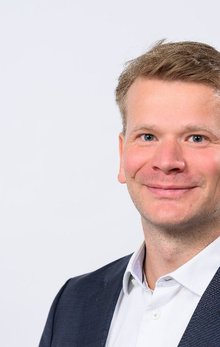
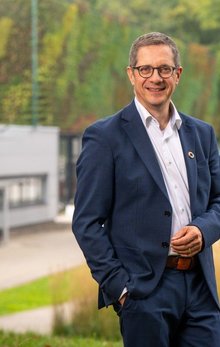
Dr Thomas Schulte, Head of Sustainability and EHS at Bosch, says: "We leverage the innovation potential of Bosch and our partners to protect the climate, save water – especially where it is scarce – and strengthen the circular economy."
Energy efficiency and renewable power
Bosch's approach to climate neutrality centres on optimising energy consumption.
The company plans to enhance energy efficiency by 2030 to capture potential savings of 1.7 terawatt-hours, supported by a €1bn (US$1.17bn) investment commitment.
Since 2019, Bosch has launched over 7,000 efficiency projects globally, achieving a savings potential of 1,144GWh, representing 67% of its target.
The company is also deploying clean power technologies, with solar installations operational at 139 owned sites by the end of 2024.
Bosch aims to source exclusively green electricity company-wide by 2030. In 2024, approximately 99.5% of the Bosch Group's global electricity demand was met using green electricity, facilitated by expanding purchase volumes from existing renewable plants.
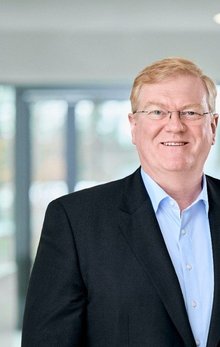
Dr Stefan Hartung, Chairman of the Board of Management at Bosch, says: "Companies shouldn't have to choose between being profitable and doing what's best for the planet.
"If the right path is chosen, both aims go hand in hand."
Embracing circular economy principles
Bosch is working to reduce its environmental impact by improving product sustainability throughout their complete life cycles.
This circular strategy begins with material procurement and production, extending through to end-of-life stages where materials are recovered and reintegrated into manufacturing processes.
The company aims to optimise material efficiency during production, which could help reduce costs whilst lowering Scope 3 emissions.
Its approach includes closing material and product loops to extend the lifespan of products and components.
The company's wiper blade production demonstrates this circular thinking in practice.
As wiper blades require regular replacement and each blade needs a specific adapter fitting, workshops can now order adapters separately.
This modification reduces both the materials Bosch uses and the waste generated during manufacturing, resulting in 50% less packaging waste at workshops and improved packing density for transportation.
Bosch is also developing established recycling processes for materials including steel, aluminium and plastics.
Across its product range, Bosch uses an average of 56% recycled steel in manufacturing and purchases aluminium with an average recycled content of 35%, aligning with industry standards.
Arne Michel Mittasch, Head of Sustainable Business and Relations Management at Bosch, says: "By consistently implementing the principle of the circular economy, it is possible to combine climate action, resource conservation and greater resilience for companies and their supply chains."
Company portals

Executives
Arne Michel Mittasch
Head of Sustainable Business and Relations Management
Dr Thomas Schulte
Head of Sustainability and EHS
Stefan Hartung
Chairman of the Board of Management