How Energy Drives Coles' Sustainability Strategy
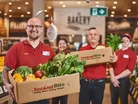
As one of Australia’s top retailers, Coles Group operates more than 1,800 stores nationwide, each contributing to varying degrees to environmental and social impact.
The company has released its 2025 Sustainability Report, which shows how it is using electrification, efficiency and clean energy.
Energy responsibility
In early 2025, Coles launched a supermarket and Liquorland in Victoria, Australia, with sustainability at the forefront of its design.
The facilities integrate onsite rainwater tanks, two EV charging stations and energy-efficient lighting alongside full electrification for heating, cooling and refrigeration using natural refrigerants.
Additionally, the supermarket boasts the largest solar panel setup introduced at a Coles outlet to date.
The 305 kW solar system is projected to produce 407 MWh annually, covering around 31% of its yearly power use.
The company’s collaboration with the Origin Zero Alliance aims to generate 9,821 MWh of renewable energy annually along with 43% of suppliers setting Scope 1 and 2 science-based emissions reduction targets.
In FY21, Coles set the target of reducing combined Scope 1 and 2 emissions by more than 75%, to date that has been achieved.
Also in 2021, Coles set the target of sourcing 100% renewable electricity by the end of FY25, this has been achieved and the company is “committed to maintaining 100%” as part of its FY26-FY30 sustainability strategy.
“The objective of our climate pillar is to progress towards decarbonisation of our operations and work with our suppliers and partners to reduce emissions to drive a more resilient food system for Australia,” says Peter Allen, Chairman, Coles Group Limited and Leah Weckert Managing Director and Chief Executive Officer, Coles Group Limited, in the report.
“This year we met our target to source 100% renewable electricity for our operations.
“We also achieved a 71.4% reduction in combined Scope 1 and 2 GHG emissions (from FY24).”
Environmental stewardship
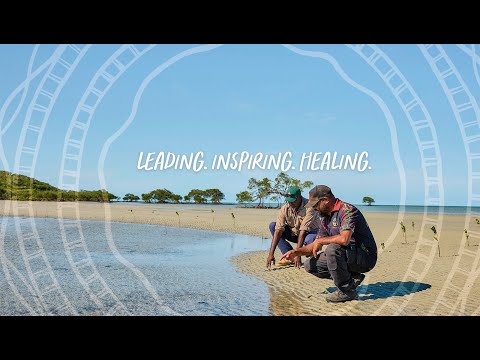
When it comes to nature, Coles is supporting the development of the world’s largest seagrass restoration nursery through its partnership with the Great Barrier Reef Foundation (GBRF).
Now three years into a decade-long AU$10m (US$6.5m) collaboration, Coles aims to protect and restore seagrass habitats along with other ecological efforts.
The company continues to offer the broadest range of RSPCA approved products of any national retailers to date with 316 products.
“Nature continues to be an area of focus for Coles, as we seek to better understand our nature-related impacts and dependencies and collaborate with farmers and suppliers to drive more climate and nature resilient supply chains,” say Peter and Leah in the report.
More than AU$2.5m (US$1.6m) has been invested via the Coles Sustainable Dairy Development Group towards supporting sustainable dairy farming projects.
The company states that “deforestation contributes to climate change and biodiversity loss and is a driver of embedded emissions within our supply chain.
“In FY25, Coles set a SBTi-validated FLAG (Forest, Land and Agriculture) sector emissions reductions target which also includes a no-deforestation commitment.”
Coles has also commenced a collaborative project with the Rainforest Alliance to map its palm oil supply chain within Coles Own Brand.
This initiative will support a deforestation risk assessment at plantation, mill and supply chain levels.
The company is also progressing the conversion of Coles Own Brand non-food products to support the production of sustainable palm oil through certification by the Roundtable on Sustainable Palm Oil (RSPO).
Currently, 95% of these products have achieved RSPO certification and to address the remaining percentage, Coles continues to purchase RSPO ‘book and claim’ credits, which provide support to smallholder palm oil farmers.
Circularity at Coles
Since 2021, Coles has removed more than 600 million pieces of conventional plastic from its Own Brand packaging as part of its commitment to reduce environmental impact.
By 2024, 88% of its total solid waste was redirected from landfills.
A priority focus is ensuring unsold but edible food is donated, with 19,655 tonnes provided to SecondBite and Foodbank, supporting more than 39.1 million meals for people in need.
“Within our circularity pillar, we are focused on reducing waste across our value chain, in collaboration with our industry partners, suppliers, producers and customers,” say Peter and Leah in the report.
“Reducing food waste continues to be a priority, not only because of its impact on the environment, but also because food insecurity continues to be something many Australians experience.”
Beyond food aid, 18,960 tonnes of excess food were donated to agriculture, wildlife sanctuaries and zoos for animal feed.
Coles also partnered with Goodman Fielder to repurpose 5,796 tonnes of surplus bread into stock feed and pet food.
In addition, 29,205 tonnes of inedible food was processed into nutrient-rich compost.