
Behind Deep Sky & Lufthansa's New Carbon Removal Strategy
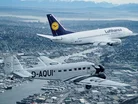
Deep Sky, a developer and operator of large-scale carbon removal infrastructure, has signed an offtake agreement with Lufthansa Group to supply high-quality direct air capture (DAC) credits.
The deal reflects a broader push to integrate energy supply, carbon capture and storage into cohesive systems capable of delivering measurable emissions reductions in carbon-intensive sectors.

Scaling carbon removal through energy systems
Deep Sky highlights a widening gap between surging demand for CO₂ removal and constrained supply, placing renewed focus on the energy intensity of DAC technologies.
These systems require reliable access to low-carbon power, land and storage infrastructure, positioning them firmly within the evolving clean energy landscape rather than as standalone climate solutions.
The company’s model centres on controlling key inputs including clean electricity, geological storage and capture technologies to ensure durability and traceability of carbon removal. Its credits are underpinned by strict validation processes, registry issuance and permanent sequestration.
"Working with the Lufthansa Group on accelerating direct air capture credits for aviation reflects growing market momentum and the increasing importance of quality, credibility and delivery in carbon removal," says Guillaume Devaux, Vice President, Strategic Partnerships at Deep Sky.
"We're seeing first-hand how the aviation sector is increasingly integrating carbon removal into its decarbonisation efforts and broader sustainability strategies."
By integrating capture, energy supply and storage, Deep Sky is aiming to reduce project risk while improving cost efficiency and scalability. A diversified DAC technology portfolio further supports long-term reliability as the market matures.
Aviation’s role in driving clean energy demand
For Lufthansa, early engagement with DAC is as much about shaping future energy demand as it is about offsetting emissions.
By supporting emerging carbon removal technologies, the group is helping to stimulate investment in the clean power and infrastructure required to scale them.
The airline is already collaborating with Airbus, Climeworks and Deep Sky as part of a wider effort to expand its climate and energy transition portfolio. Deep Sky itself counts Microsoft and the Royal Bank of Canada among its partners, with Microsoft purchasing credits to access a broader DAC technology mix.
"Quality is the single most important factor in the voluntary carbon market today," says Adrian Wons, Chief Executive Officer and Founder of Senken.
"We are pleased to have supported this deal, facilitating a collaboration between the Lufthansa Group and Deep Sky following a rigorous assessment of the project's technological and environmental integrity."
Backed by more than US$130m from investors including Investissement Québec, Brightspark Ventures, Whitecap Venture Partners, OMERS Ventures and Breakthrough Energy Catalyst, Deep Sky is positioning itself at the intersection of energy infrastructure and carbon management.
Integrating carbon removal into energy transition strategies
Lufthansa Group has restructured its climate protection portfolio to place greater emphasis on technology-led solutions, combining emissions reduction with long-term carbon removal.
Its approach reflects a shift across the aviation sector towards integrating energy sourcing, sustainable fuels and carbon capture into unified decarbonisation strategies.
Through its customer-facing platform, Lufthansa offers access to 14 certified climate protection projects aligned with the UN Sustainable Development Goals. Around 20% of these now focus on permanent CO₂ removal, highlighting increased attention on durable, energy-linked solutions.
“Climate protection projects, which complement our own emission reduction measures, are an important building block on the path to more sustainable aviation and the achievement of our climate goals,” says Nina Sproedt, Head of Sustainability at Lufthansa Group.
“With our carefully curated portfolio, we are increasingly focusing on technology-based projects that enable long-term CO₂ sequestration.
“In this way, we are contributing to the further development and scaling of these technologies.

“We offer our passengers the opportunity to support high-quality climate protection projects and the use of Sustainable Aviation Fuel, thereby actively participating in the transformation of aviation.”
In 2025 alone, passenger contributions supported projects addressing more than 710,000 tonnes of CO₂ across multiple regions.
To deliver this portfolio, Lufthansa works with partners including myclimate, First Climate, Ceezer, Senken, Climeworks and 1PointFive. Projects span both avoidance measures such as renewable energy and clean cooking, and removal approaches including reforestation, biochar and DACCS.
Advanced DACCS solutions are becoming increasingly central, capturing CO₂ directly from ambient air and storing it underground, reinforcing the role of energy-backed carbon removal in the future of aviation decarbonisation.


Executives

Adrian Wons
CEO and Founder

Guillaume Devaux
Vice President, Strategic Partnerships