Could Electrolux and Skanska Smart City Give Back to Grid?
The household appliance industry carries an energy footprint, yet one of its leading manufacturers is demonstrating how sustainable development could transform operational efficiency and residential energy consumption.
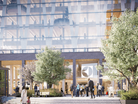
Electrolux officially opens its new headquarters extension within the Greenhouse Sthlm neighbourhood in western Kungsholmen, Stockholm. CEO Yannick Fierling describes the achievement as "a milestone" with world-leading green building certifications.
The development represents a comprehensive approach to reducing energy demand across 3,000 residents who will live, work and interact within a neighbourhood designed to minimise energy consumption whilst maximising quality of life.
Yannick said: "I'm proud of this new landmark. It's not just a building, it's a testament to what we can achieve as a truly sustainable company."
Partnership enabling energy innovation
The neighbourhood is developed by Swedish construction company Skanska, which Yannick acknowledges as essential to the project's success.
He said: "Of course, none of this would have been possible without the right partners. I would like to say a huge thank you to our building partners Skanska, as well as architects Archus and the City of Stockholm."
Energy performance through design
The Electrolux headquarters extension achieves a BREEAM Outstanding certification with a score of 96.6%, ranking seventh place globally and representing the highest score ever recorded in Sweden.
The building also secures Sweden's NollCO2 certification, confirming net-zero climate impact, alongside the Nordic Swan Ecolabel for sustainable homes and FSC certification for responsibly sourced Swedish timber.
According to its NollCO2 assessment, the project cuts emissions by 57% compared to conventional construction—a reduction achieved primarily through strategic material selection that reduces both manufacturing energy and operational demands.
Yannick emphasises the carbon sequestration benefits, saying: "The wood used in the project stores more CO₂ than is emitted during the build."
The timber construction, sourced from responsibly-managed Swedish forests, demonstrates how materials requiring lower processing energy can deliver structural performance whilst reducing overall energy consumption across the building lifecycle.
Reducing transport energy demands
Greenhouse Sthlm extends beyond individual building performance to embrace neighbourhood-scale energy efficiency. The development's website calls it "a small city within the city".
This concept of the "15-minute neighbourhood" could significantly reduce transportation energy by co-locating residential, commercial and recreational functions within walking distance.
The proximity to Stadshagen metro station, large green areas and Lake Mälaren further enhances connectivity and reduces dependence on energy-intensive private vehicles.
The development includes a car and bike pool within the garage, potentially reducing the number of privately-owned vehicles and their associated energy consumption.

On-site renewable energy generation
The development's roofs are covered with solar panels, including Electrolux-branded installations on the headquarters extension, generating renewable electricity on-site and reducing grid dependence.
The headquarters extension features a rooftop garden with biodiversity and cultivation plots, demonstrating how vertical surfaces can deliver multiple environmental benefits. The green roofs manage stormwater, reduce urban heat island effects—which could lower cooling energy requirements—and offer residents space to grow food.
The development's commitment to increased biodiversity with green yards, farming plots, beekeeping and hydroponic farming creates opportunities for residents to engage with local food production, potentially reducing the energy embedded in food transportation.
Energy-efficient appliance integration
The apartments incorporate the most advanced and climate-smart technology for laundry and food—a natural integration given Electrolux's role as anchor tenant and appliance manufacturer.
This ensures residents have access to energy-efficient appliances from occupation, eliminating scenarios where developers install budget appliances that increase operational energy consumption.
Long-term energy accountability
Greenhouse Sthlm's developers have committed to a carbon accountability framework that encompasses operational energy. The development's website states: "We will pay back the CO2 that we cannot avoid when we build the houses and that we cannot avoid when we live, inhabit and work in them."
As cities worldwide confront the challenge of accommodating growing populations whilst reducing energy consumption, Greenhouse Sthlm could offer evidence that comprehensive sustainable design can deliver commercially successful neighbourhoods that actively reduce energy demand.
Company portals


Executives
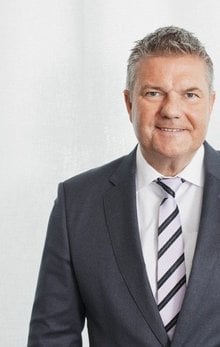
Anders Danielsson
President and CEO, Skanska Group
Yannick Fierling
CEO, AB Electrolux