How Meta is Powering AI & Data Centres with Renewable Energy
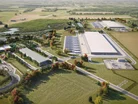
Meta is a world-leading social technology company, known for developing social media apps and technologies including Facebook, Instagram and WhatsApp.
As artificial intelligence and data centres become increasingly vital to its strategy, the company is working on solutions to address the significant energy demands these technologies require.
The International Energy Agency estimates that data centres used approximately 1.5% of global power consumption in 2024, highlighting the scale of energy consumption in the tech sector.
As one of the world's largest technology companies, Meta has worked on improving its environmental footprint through strategic energy initiatives.
Sustainability Magazine has ranked Meta 52nd in its Top 250 World's Most Sustainable Companies 2025.

Clean energy powers operations
The core sustainability strategy is driven by its target of achieving net zero emissions across its value chain by 2030.
The company's goal is to reduce its Scope 1 and 2 emissions by 42% by 2031 from its 2021 baseline, as well as not exceeding its baseline Scope 3 emissions by the end of 2031.
As of 2024, wind and solar projects supported by Meta are adding more than 15GW of clean and renewable energy to global energy grids.
This represents a substantial commitment to transitioning away from fossil fuel-based energy sources and demonstrates how large technology companies can contribute to renewable energy infrastructure development.
To achieve net zero, the company says it is focusing on making new technologies such as innovative construction materials, clean energy sources, low carbon fuels and network hardware more accessible.
It also engages suppliers across its supply chain to reduce their emissions and decarbonise their operations.
Leslie Collins, Global Head of Sustainability at Meta, says: "Our sustainability team's mission is to build safe and resilient communities in our global supply chain, enable water stewardship in our operations and the watersheds where we operate and comply with applicable regulations and commitments.
"We look to achieve our mission by harnessing our collective effort to drive positive impact, operating with purpose and responsibility and fostering a more sustainable future for all."
Energy efficient data centres
With AI as a core focus in its operations, Meta has invested in creating infrastructure to support AI's energy needs today and for future generations.
The company uses AI throughout the lifecycle of its data centres to create more energy-efficient designs, operations and processes.
Meta's newest data centre designs require fewer square feet to provide similar capacity to previous designs, which means reduced energy consumption per unit of computing power while cutting costs and delivery times.
In 2024, 91% of Meta's owned data centre construction waste was diverted from landfills and 100% of its electricity was matched with clean and renewable energy.
The company's approach to data centre sustainability has led to it receiving LEED Gold certification for 100% of its data centre buildings.
Meta currently has 52 LEED Gold certified data centre buildings, equivalent to nearly 36 million square feet.
Rachel Peterson, Vice President, Data Centres at Meta, said on LinkedIn: "Beyond these efforts, we continue to look for innovative ways to manage the environmental footprint of our data centres.
"We've pioneered AI-optimised formulas to develop low carbon concrete for our data centre construction and advanced mass timber pilots as well.
"I'm proud of our team's work to advance these milestones for our business."
Optimising energy through technology
Meta has implemented digital twin models of its cooling systems to create long term resilience in its data centres.
These models allow the company to generate estimates of its facilities' resource usage, which enables more accurate capacity planning and helps optimise energy consumption across operations.
Leslie says: “Since 2017, we have been actively involved in more than 30 water restoration projects – including conservation projects that protect wildlife, water quality projects that reduce pollution and sanitation projects that support access to safe and affordable drinking water.
"Water is a vital resource, and we believe that through corporate investment, cross-industry alliances and long-term NGO partnerships we can help solve shared water challenges."
The company's commitment to being water positive by 2030 aligns with its broader energy strategy, as water efficiency in data centre cooling systems directly impacts overall energy performance.
Showcasing enterprise excellence
Meta has the potential to have a large impact on global sustainability efforts, especially with data centres and AI.

Sustainability LIVE: The US Awards 2026 will showcase world-leading brands to North American audiences.
The Enterprise of the Year category recognises large enterprises that demonstrate exceptional leadership and measurable progress in sustainability. The winner will have embedded environmental and social responsibility into strategy, operations, and culture at scale.
Enter your company for the awards and find out more about Sustainability Live: The US Awards here.
Company portals

Executives
Leslie Collins
Global Head of Sustainability

Rachel Peterson
Vice President of Data Centers