Inside Estée Lauder's Sustainability Efforts & Energy Goals

Global beauty conglomerate Estée Lauder Companies has made public its course of action on energy consumption and emissions reduction in its Social Impact and Sustainability Report for fiscal year 2025.
In the report, the firm details the adjustments it is making to its energy profile across its worldwide operations in approximately 150 countries.
With more than 20 of the cosmetic industry's best known brands in its portfolio, the group's global footprint is significant. As such, it is establishing a series of clear targets for emissions reduction and sustainable governance.

Reducing emissions and energy consumption
The report shows that the group is on track to meet its goal of reducing absolute Scope 1 and 2 greenhouse gas emissions by 50% by 2030 from a 2018 baseline.
It has already achieved a 37.6% reduction in these emissions.
Estée Lauder's Scope 3 goal, which focuses on its wider value chain, is to reduce greenhouse gas emissions from purchased goods and services, upstream transportation, distribution and business travel by 60% per unit revenue by 2030.
This progress could be attributed to strategic changes, including the transition to electric vehicles and creating more sustainable office spaces.
The group has also sourced 100% renewable electricity for its direct operations for each year from fiscal 2020 to 2025, while it is purchasing carbon credits to offset any remaining emissions.
Energy efficiency across retail spaces
A key part of Estée Lauder Companies' strategy to address emissions targets is its Responsible Store Design programme.
This initiative guides its retail stores in identifying opportunities to optimise both energy and water consumption in their daily operations.
The programme places an emphasis on thoughtful material selection, encouraging the use of recycled and bio-based sources over virgin materials.
It also promotes the use of non-toxic paints and adhesives.
Core energy efficiency practices such as the widespread use of LED lighting are being implemented across Estée Lauder’s retail locations.
A global toolkit is also provided to help stores implement further low-cost solutions like UV glazing for windows, alongside recommendations for mechanical and lighting improvements.
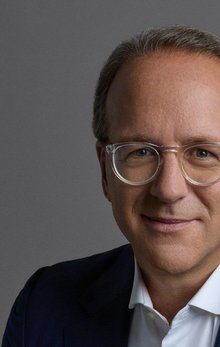
Stéphane De La Faverie, President and Chief Executive Officer of Estée Lauder Companies, says: “As we transform our company to better capture growth and drive profitability, we remain steadfast in our commitment to advancing environmental stewardship and social impact.
“From product development to packaging and distribution, we are consciously embedding sustainability into the way we operate, while supporting communities where we live, work and source.”
Biotechnology and resource management
Beyond direct energy saving in its buildings and transport, Estée Lauder is exploring biotechnology to lessen its environmental impact.
Science and technology are vital in the beauty industry and Estée Lauder is leveraging them to develop more sustainable products.
In December 2024, Estée Lauder opened a BioTech Hub in Belgium.
This facility is focused on creating bio-based raw materials from sources like plants, yeast and bacteria.
This process allows for the production of nature-based material alternatives that could help protect biodiversity and conserve natural resources.
This work complements Estée Lauder's efforts in other areas of resource management, such as water usage.
Estée Lauder surpassed its initial goal to reduce water withdrawal by 20% from a 2019 baseline, achieving a 41% reduction by fiscal 2025.
The new target is a consistent 40% reduction by 2030.
Nancy Mahon, Chief Sustainability Officer at Estée Lauder Companies, says: “Looking ahead I am inspired by the opportunities to deepen our impact contribute meaningfully to the communities we serve and drive long-term sustainable growth.
"Together we will continue to lead with purpose staying true to our shared vision of transformative innovation.”
Company portals

Executives
Nancy Mahon
Chief Sustainability Officer
Stéphane de La Faverie
President and CEO