Does Saudi Arabia's AI Push Signal Shift Away From Oil?
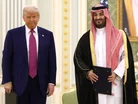
Saudi Arabia’s bid to become a global AI powerhouse has become central to diplomatic discussions in Washington, with access to high-end semiconductor chips now at the heart of dealmaking between the kingdom and the US.
Crown Prince Mohammed bin Salman’s recent White House visit marks a pivotal moment in Saudi ambitions, with strategic partnerships and technology investments reinforcing the country’s Vision 2030 agenda.
Semiconductor chips as diplomatic leverage
The US continues to use export controls on advanced semiconductors as a strategic lever in global technology diplomacy, shaping deals that determine which nations can develop next-generation AI systems.

High-performance chips from leading companies such as Nvidia and AMD have become critical for constructing data centres and powering the machine learning models that underpin AI.
Recent regulatory shifts favoring Gulf nations have enabled Saudi Arabia to pursue direct access and investment in semiconductor technology, driving a wave of deals targeting AI infrastructure and cloud capabilities across the kingdom.
From oil power to AI hub status
As part of its push to establish itself as a regional AI hub, Saudi Arabia is actively negotiating for advanced chip approval from the US.

The chips in question rely on nanometre-scale manufacturing to provide the computing muscle essential for deeply complex machine learning workloads.
Approval would be a linchpin for Saudi Arabia’s plans, especially as competition intensifies with the UAE—which secured a multibillion-dollar data centre partnership and chip access earlier in the year.
These efforts are anchored in Vision 2030, the kingdom’s sweeping initiative to develop technology sectors and reduce reliance on oil.
AI, nuclear technology and defence
Saudi Arabia's drive for technology leadership is closely linked with efforts to secure US support for its civilian nuclear energy programme and new defence guarantees.
A nuclear partnership would give Riyadh access to US expertise and, crucially, further security commitments, positioning Saudi Arabia alongside regional competitors such as the UAE and Iran.
However, progress is slowed by US conditions that prohibit uranium enrichment and spent fuel reprocessing, amid concerns about proliferation risks.
Further complicating negotiations, Washington has made defence pact ratification contingent on Saudi Arabia normalising relations with Israel—a move Riyadh ties to progress on Palestinian statehood, a point of firm resistance from Israel's government.
How regional competition drives innovation
The confluence of chip deals, nuclear negotiations and defence planning reflects the wider context of Saudi Arabia’s transformation goals as regional rivals accelerate their own technology agendas.
According to Reuters, Dennis Ross, a former Middle East negotiator for Democratic and Republican administrations now at the Washington Institute for Near East Policy, expects an executive order that would call for the US and the Saudis “to immediately consult on what to do in response to the threat” while not committing Washington to actively come to the defence of Riyadh.
“That could run the gamut of providing a range of different assistance, replacing arms, deploying defensive missile batteries like THAAD or Patriot, deploying naval forces with a Marine unit – to actively taking part in the combat in an offensive not only defensive manner,” he says.
Saudi ambitions remain tied to Vision 2030’s commitment to economic diversification, harnessing semiconductor advances and strategic partnerships to build a sustainable future in advanced technology and AI.
Dennis expects an announcement of an agreement on nuclear energy, or at least a statement on progress towards one.