
Odfjell is Proving Biofuels are the Future of Shipping
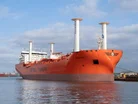
Odfjell’s new transatlantic shipping route marks an important moment for the decarbonisation of commercial fleets.
The Norwegian shipping firm has launched what it calls the first operational green corridor between Brazil and Europe, a 5,000-nautical-mile route across which its tankers will be powered by B24 biofuel.
Odfjell is set to charter between 12 and 15 voyages through the corridor per year, with each voyage lasting around 40 days.
The initiative is completely self-funded, meaning that Odfjell will absorb the higher costs of the renewable fuel without support.
"By covering the additional cost ourselves, we eliminate the financial element and move directly into operational implementation," says Harald Fotland, CEO of Odfjell.
The B24 blend, which is supplied by Rio Grande, includes 24% waste-derived renewable biodiesel combined with 76% very-low-sulphur oil.
Bringing renewable energy to the seas
To guarantee a consistent supply of the B24 biofuel blend, Odfjell has established an offtake agreement in Rio Grande.
The Ports of Antwerp-Bruges, Rotterdam and Rio Grande have also partnered with the firm to oversee the energy efficiency of the port operations along the corridor.
"We do this to demonstrate that certified fuel, technology and infrastructure are already available," Harald explains.
"Through this, we show that sustainable biofuel is a viable option for deep-sea shipping today."
Importantly, this project is not just a short-term trial. Rather, the corridor is part of Odfjell's long-term strategy when it comes to decarbonisation.

Reaction to Odfjell's green corridor
The corridor is a well-supported initiative both at Odfjell and externally. The Norwegian Minister of Climate and Environment, Andreas Bjelland Eriksen, has welcomed it as "an important milestone".
He says: "We congratulate Odfjell on taking the lead and demonstrating what is possible when business and public authorities cooperate across national borders to reduce emissions.
"Green shipping corridors over long distances are still in their early stages, and this therefore represents an important first step on the path toward zero emissions."
The transatlantic corridor builds on a 2024 memorandum of understanding between Norway and Brazil focused on establishing a renewable energy supply chain for shipping.
Knut Arild Hareide, CEO of the Norwegian Shipowners’ Association, considers the move a key development in scaling cleaner fuels.
He explains: "That a deep-sea shipping company like Odfjell has succeeded in establishing a regular corridor between Brazil and Europe powered by certified biofuel is both highly encouraging and an important step toward our shared goal of decarbonising global shipping by 2050."
Shipping currently produces around 3% of global human-made greenhouse gas emissions.
How Odfjell expects to shift to clean energy
Odfjell has reduced its carbon intensity by more than 54% since 2008 through both technical upgrades and operational efficiencies. The company now sees biofuel as a strategic component within its broader decarbonisation plan.
"With this corridor, we integrate greener fuel as a new pillar in our decarbonisation strategy," adds Harald.
This effort supports the International Maritime Organization’s 2030 targets and complements the EU’s Fit for 55 package by advancing low-carbon energy solutions across shipping lanes.
Knut Ørbeck-Nilssen, CEO of DNV Maritime, says biofuels remain one of the most realistic energy alternatives for long-distance fleets.
"This green corridor will show how this works in action while demonstrating how value-chain collaboration can speed the transition and help meet ambitious goals," he continues.
Harald adds that the initiative’s success depends on maintaining close collaboration across the energy value chain – from ports and customers to suppliers – to increase renewable fuel access and improve efficiency.
"It may not be a perfect corridor yet, but a solid start," he concludes.
Interested in hearing more about how Odfjell's sustainable endeavours? Join the Energy Digital team at Sustainability LIVE: The Net Zero Summit in London on 5 March 2026 for in-depth discussions with leading sustainability experts, including Øistein Jensen, the CSO of Odfjell, who will be discussing decarbonisation in the global shipping industry. Secure your ticket now and save more than £200.
Company portals


Executives
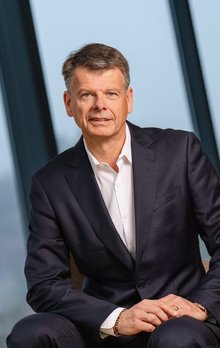
Harald Fotland
CEO
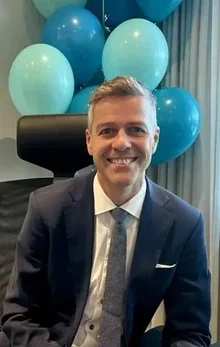
Knut Arild Hareide
CEO

Knut Ørbeck-Nilssen
CEO of DNV Maritime