
SAF, Gas & Renewables: Berkshire Hathaway's ESG Impact
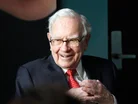
Berkshire Hathaway operates as a multinational conglomerate overseeing a portfolio comprising 23 subsidiary businesses.
Its companies, such as Fruit of the Loom and NetJets, maintain their own environmental objectives designed to minimise the ecological footprint of the collective enterprise.
Due to Berkshire Hathaway's dedication to environmental responsibility, Sustainability Magazine has recognised the business with 53rd position in its Top 250 World's Most Sustainable Companies 2025.

Advancing renewable energy solutions
The operations of Berkshire Hathaway Energy encompass generating, transmitting, storing, distributing and supplying power through its network of subsidiaries.
Power generation occurs through multiple sources, spanning natural gas, steam, hydroelectric, coal, wind, solar, geothermal and nuclear energy.
The company is pursuing net zero greenhouse gas emissions whilst endeavouring to maintain affordable pricing for consumers.
Berkshire Hathaway Energy has committed to expanding renewable energy utilisation and enhancing transmission infrastructure through the exploration of innovative technologies.
Investment in renewable energy generation has reached US$34bn, with the objective of adhering to energy regulations.
Patrick Reiten, Senior Vice President of Public Policy at Berkshire Hathaway Energy, says: "Technology-neutral energy incentives directly contribute to lower energy costs for our customers and job creation in the states we serve.
"They also support Berkshire Hathaway Energy's businesses as they work to meet increased energy demands while maintaining their commitment to provide secure, affordable energy to customers."
Fruit of the Loom's packaging innovation
Among the six clothing and apparel businesses under Berkshire Hathaway ownership sits Fruit of the Loom.
The brand introduced "The Fruit Way" campaign, which details its environmental commitments and future initiatives.
Goals included reducing absolute Scope 1 and 2 emissions by 50% and decreasing absolute Scope 3 emissions by 30% by 2030 from a 2018 baseline.
These objectives were met in 2024, with the company achieving a 68% reduction in Scope 1 and 2 emissions alongside a 47% decrease in Scope 3 emissions.
Fruit of the Loom has also set targets to use 100% renewable electricity across its operations and facilities by 2030 whilst maintaining zero waste in owned facilities.
Packaging operations are undergoing transformation, beginning at its manufacturing plant in Morocco.
All cartons are produced from 100% recycled fibres and display the company's new recycled materials logo, whilst mineral-free ink is used for carton printing.
Efforts are underway to minimise polybag and stretch film usage in packaging, reducing dependence on single-use plastics.
According to Fruit of the Loom, it is committed to being amongst the first to embrace packaging technology changes and will continue implementing innovative solutions throughout its packaging process.
NetJets' emission reduction strategy
As a frontrunner in private aviation, Berkshire Hathaway subsidiary NetJets is dedicated to decreasing its environmental impact.
The company has been offsetting the carbon footprint of its European operations since 2012, exceeding European Union regulations.
Emissions from administrative and training flights in the US have been offset since 2021.
The jet management firm is championing the industry's adoption of sustainable aviation fuel (SAF), which can reduce carbon emissions by up to 80% compared to conventional jet fuel.
NetJets is meeting its target of purchasing sufficient blending SAF to cover all flights departing from San Francisco, where the fuel supply is situated.
Brad Ferrell, Executive Vice President, Administrative Services at NetJets, says: "Our sustainable fuel purchase is crucial for the continued availability of the product in the market and we're excited to help create that opportunity, as well as to announce the next phase of our Global Sustainability Programme.
"There remains more to be done in the sustainable aviation space and we look forward to being on the cutting edge of those innovations and evolving this programme in our ongoing efforts to address sustainability in the air, on the ground and with our team members."



Executives
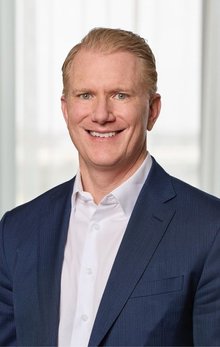
Brad Ferrell
EVP and Chief Legal Officer
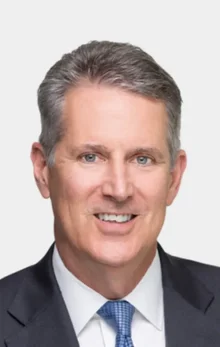
Patrick Reiten
Senior Vice President of Public Policy