Airbus & Technip Head Up Global SAF Production Partnership
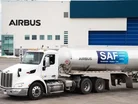
A new large-scale energy transition initiative in France aims to accelerate the production of sustainable aviation fuel (SAF), positioning it as a critical pillar of Europe’s low-carbon energy system.
The Rebound project, led by Technip Energies in collaboration with Airbus, Safran and Tereos, is expected to produce 145,000 tonnes of SAF annually using Alcohol-to-Jet technology at the Port of Dunkirk.
Sustainable Aviation Fuel (SAF) can reduce lifecycle GHG emissions by 80-100% compared to fossil fuels, depending on the production process and feedstock used, according to the SAF Coalition.
As such, it is increasingly viewed not only as an aviation solution, but as a strategic component of the wider energy transition.

Scaling SAF
The Rebound joint venture will focus on building one of Europe’s largest SAF production facilities, strengthening domestic energy supply while reducing reliance on imported fossil fuels.
The project will deploy Alcohol-to-Jet (AtJ) technology to convert advanced ethanol into aviation fuel, creating a scalable pathway for low-carbon energy production. This positions SAF as a viable addition to Europe’s broader renewable energy mix.
With partners committing to fund the project’s development phase, including engineering studies, the initiative is advancing as part of a wider push for energy diversification and resilience.
“Sustainable aviation fuel is one of the most critical levers to decarbonise aviation, and the Alcohol-to-Jet pathway offers a credible, scalable route to get there,” says Benjamin Lechuga, Chief Strategy and Sustainability Officer of Technip Energies.
“With Rebound, we are putting into practice our strategy to capture greater value through adjacent business models, originating and developing projects in fast-growing energy transition markets alongside recognised industry leaders such as Airbus, Safran and Tereos.
“We look forward to advancing this project with the engineering rigour and disciplined execution that define Technip Energies.”
Additional considerations required for a final investment decision will be assessed collectively by all partners as the project progresses.
Policy drivers and energy demand
According to Airbus, SAF is widely recognised as the primary lever to decarbonise aviation, but it is also becoming central to energy policy across Europe.
Airbus states, “Under the European Union’s (EU) ReFuelEU aviation regulation, SAF blending mandates will rise progressively reaching 6% by 2030 and 70% by 2050, driving an eightfold increase in demand between 2030 and 2050.”
The ReFuelEU initiative forms part of the EU’s Fit for 55 package, designed to cut emissions by 55% by 2030 while reshaping the region’s energy landscape.
Key targets include:
A 70% SAF share across EU airports by 2050
A 1.2% share of synthetic aviation fuels from 2030
A 35% synthetic fuel share by 2050
"The Rebound project is a vote of confidence in SAF and in Europe's ability to be a leader in the journey to decarbonise aviation,” says Julie Kitcher, Chief Sustainability Officer and Communications of Airbus.
“With renewable energy facing global headwinds, Airbus will work with our partners to open up an abundant new SAF pathway, Alcohol-to-Jet fuel, in France.
“This project aims to increase the availability of lower-carbon fuels, contribute to reducing aviation emissions and strengthen Europe’s energy supply security, while creating a new job market.
“I am delighted that Airbus is a partner in the Rebound project, which is a vital step forward for the SAF ecosystem in Europe."
AtJ technology enables the conversion of advanced ethanol, derived from agricultural and forestry residues, into a drop-in aviation fuel. This allows SAF to integrate seamlessly into existing energy and transport infrastructure without requiring major aircraft modifications.
Building a European bioenergy supply chain
During the development phase, Technip Energies will lead project development and engineering, bringing expertise in scaling complex energy infrastructure.
Airbus and Safran will act as industrial partners and potential SAF offtakers, supporting demand creation within the aviation energy market.
Tereos, a major European ethanol producer, will supply the advanced ethanol feedstock, reinforcing the project’s connection to regional agricultural energy systems.
“We are delighted to contribute, through Rebound, to the emergence of the Alcohol-to-Jet industry in France, supporting the decarbonization of the aviation sector,” says Jérôme Bos, Chief Strategy Officer of Tereos.
“This project is fully aligned with Tereos’ mission to develop low-carbon industrial value chains by creating value from agricultural production.
“Tereos will bring to the project its expertise and industrial assets dedicated to the production of advanced ethanol.
“It also provides a strong illustration of the development of a bioeconomy rooted in French and European agricultural production."
Together, the partners aim to establish an integrated energy value chain, spanning feedstock sourcing through to end-use in aviation.
The development pathway will follow a structured, stage-gated process, including technology selection, permitting, pre-FEED and FEED studies, feedstock agreements and financing arrangements for construction.
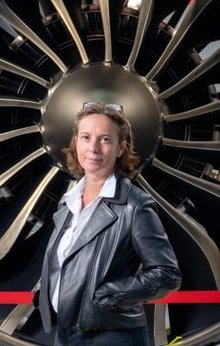
“Developing Sustainable Aviation Fuel at scale is essential for decarbonising air transport,” says Nathalie Stubler, Chief Sustainability Officer of Safran.
“This ambitious project brings together leading French and European expertise, supporting the emergence of a competitive SAF industry.
“By joining forces with our partners, Safran reaffirms its commitment to innovation and environmental responsibility, fully aligned with our strategy to reduce CO₂ emissions and support the energy transition in aviation.
“This commitment is reflected in our investments, through Safran Corporate Ventures, in the development of sustainable solutions for the aviation industry of tomorrow.”
The joint venture is expected to be finalised in the second half of 2026, subject to regulatory approvals and customary closing conditions.
Company portals




Executives

Benjamin Lechuga
Chief Strategy & Sustainability Officer

Jérôme Bos
Chief Strategy Officer
Julie Kitcher
Chief Sustainability Officer and Communications
Nathalie Stubler
Chief Sustainability Officer