What are the Global Oil & Gas Majors Doing to Cut Emissions?

The energy transition efforts of 12 of the globe’s biggest oil and gas companies have been set out in the Oil and Gas Climate Initiative’s 2025 Progress Report.
The 12 companies are the members of OGCI and “work individually and collectively to accelerate action to achieve net zero emissions by 2050”.
The 2025 report shows how they are doing, including on low-carbon investment, methane emissions reduction and carbon capture and storage projects.
- Aramco
- bp
- Chevron
- CNPC
- Eni
- Equinor
- ExxonMobil
- Occidental
- Petrobras
- Repsol
- Shell
- TotalEnergies
Building bridges between state- and privately-owned
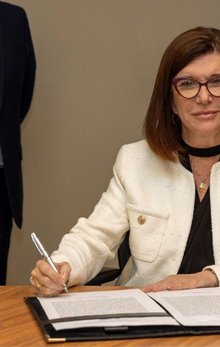
In a foreword to the report, Petrobras CEO Magda Chambriard says OGCI is making a difference.
She says: “We are a diverse group of companies that have already demonstrated what’s possible when we work together toward shared ambitions.”
She explains the dynamics of the organisation.
“As CEOs, we meet regularly, we engage directly with each other and we invest our time and resources to help reduce emissions and accelerate the solutions needed for the energy transition," she adds
“OGCI’s ability to build bridges between state-owned and private companies, across Europe, the US, China, the Middle East and South America is a core strength.
“Our global reach allows us to connect ideas with action at scale.”
OGCI's aggregate progress in 2024
The organisation’s 12 members have calculated their combined emissions and their progress against targets.
Results include:
- Upstream operated carbon intensity: 17.2kg CO2e/boe – a 24% decrease since 2017 against a 17kg CO2e/boe ambition by 2025
- Upstream operated methane intensity: 0.12% – a 62% decrease since 2017, below the 0.20% ambition
- Routine flaring: 72% below 2018 levels, towards OGCI’s ambition to end routine flaring by 2030
- Low-carbon investment: US$30bn in 2024, including projects, acquisitions and R&D, bringing the total since 2017 to US$125bn
- CCUS projects: The companies are involved in developing more than 50 projects
- Additional progress: Expanded efforts to reduce transport emissions and advance high-quality, internationally tradeable carbon credits for natural climate solutions.
What are the CEOs saying?
OGCI is a CEO-driven organisation, which is reflected in the comments that are laced into the report from the leaders of the 12 oil and gas companies.
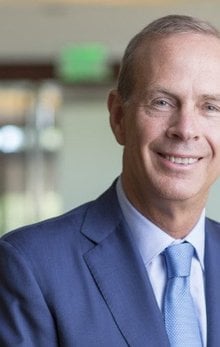
Mike Wirth, Chairman and CEO of Chevron, says: “Chevron remains focused on lowering the carbon intensity of our operations through energy efficiency, methane management and flaring reduction.
“Our Colorado facility retrofits exemplify these efforts. We collaborate with organisations like OGCI to advance understanding and share best practices across the industry.”
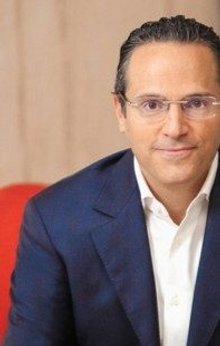
Wael Sawan, CEO of Shell, says: “Shell remains a leader in reducing emissions of methane. By the end of 2024, we had reduced total methane emissions from assets under our operational control by 76% compared with 2016.
“We have also met our target to eliminate routine flaring from our upstream-operated assets, five years ahead of the World Bank Zero Routine Flaring Initiative deadline, as we continue on our journey to deliver more value with less emissions.”
Shell QGC (Shell-operated), which produces natural gas, has long used advanced technology such as sensors, drones and satellites to detect potential methane leaks from its infrastructure and improve emissions reporting.
This has helped QGC reduce reported methane emissions by 70% compared with 2016.
Shell aims to maintain methane emissions intensity for global operated oil and gas assets below 0.20% and achieve near-zero methane emissions intensity by 2030.
As of 1 January, 2025, Shell no longer routinely flares from its operated oil and gas assets. Wael says that “Shell remains a leader in reducing emissions of methane”.
Amin Nasser, President and CEO, Aramco, says: “As a founding member of OGCI, Aramco values the sharing of best practices and working alongside peers across the industry to help develop solutions to support emissions reduction.
“Our innovative lower emissions solutions, such as cogeneration, reinforce both efficiency gains and our ambition to achieve net zero Scope 1 and 2 GHG emissions across our wholly owned operated assets by 2050.”
Forward-looking, action-oriented
Magda reflects on the current situation and looks forward to OGCI’s development in the coming years.
She says: “A decade ago, we had a vision of how leading oil and gas companies could contribute to one of the defining challenges of our age.
“This year we reflected on the success of OGCI’s carbon intensity and methane intensity ambitions, which were set with a target date of 2025, and took the time to reassess our priorities for the next five years.
“The outcome was clear: OGCI’s three strategic pillars remain meaningful and will guide our updated priorities to 2030 through an action-oriented approach that remains focused on outcomes.”
The pillars are:
- Achieve net zero operations for OGCI members in the timeframe of the Paris Agreement, with a near-term objective to achieve near-zero methane emissions and eliminate routine flaring by 2030
- Demonstrate leadership and mobilise industry, such as through the Oil and Gas Decarbonization Charter, and other global initiatives
- Scale up solutions that accelerate and support the decarbonisation of society.

Supporting a net zero future
Magda says: “What we are doing together represents major emissions reduction opportunities and reinforces the important role of the oil and gas sector in supporting a net-zero emissions future.
“We are building on solid foundations. And while we are proud of our progress since the last annual report, we know that even more can be achieved.
“The long-term challenge is that the world needs more energy, but with lower emissions.
“As the world advances toward net zero, it’s critical that we continue to work across sectors to provide solutions that balance addressing climate change and reducing energy poverty.
“We are encouraged by what we have achieved and motivated to do more.”
Company portals
Aramco
bp
Chevron
China National Petroleum Corporation
Eni
Equinor
ExxonMobil
Oxy (Occidental Petroleum Corporation)
Petrobras
Repsol
Shell
TotalEnergies



Executives
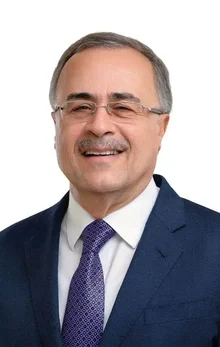
Amin H. Nasser
Magda Chambriard
CEO
Mike Wirth
Chairman of the Board and CEO
Wael Sawan
Chief Executive Officer