FedEx Hits Five Million Gallons of SAF, Despite IATA Outlook
At the close of 2025, FedEx rolled out a new programme of sustainable aviation fuel (SAF) at two major US airports – Dallas Fort Worth International and John F. Kennedy International.
With these latest agreements, the logistics giant now uses SAF blends at five key US airports.
“Expanding SAF use by FedEx to include our operations at DFW and JFK caps off a successful year of SAF deployments coast-to-coast," says Karen Blanks Ellis, Chief Sustainability Officer and Vice President of Environmental Affairs at FedEx.
"While we know there remains work ahead to procure more SAF and to continue to educate our stakeholders about how alternative fuels fit into our overall aviation sustainability strategy, we are proud of our steps forward in 2025," she adds.
Fuelling growth through new energy partnerships
Together, FedEx’s airport deals account for around five million gallons of neat SAF.
FedEx’s SAF deals at both DFW and JFK were signed in collaboration with World Fuel Services, a company which sits right at the nexus of supply, trading and emerging energy technologies.
Through the agreement, FedEx will receive two million gallons of neat SAF across both airports, supplied as a minimum 30% blend.
In December 2025, FedEx became the first carrier to purchase SAF at DFW outside of pilot schemes, giving commercial weight to energy transition efforts in aviation.
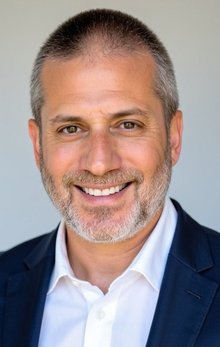
“World Fuel is committed to expanding the availability of SAF and meeting the sustainability needs of our customers," explains Bradley Hurwitz, Senior Vice President, Supply & Trading at World Fuel Services.
"FedEx’s purchase at DFW and JFK demonstrates how our aviation fuel distribution platform enables carriers to access lower-carbon fuel options with a robust supply chain designed for flexibility and scale," he adds.
A slower energy transition ahead
While progress rolls on, the International Air Transport Association predicts that global SAF production growth could be set to decelerate through 2026.
Despite strong policy signals and decarbonisation ambitions, the production gap remains wide. For now, limited capacity and cost pressures look set to constrain supply.
“When SAF policy focuses on the air carriers and demand side of the equation, there is a risk of not concurrently building up the actual alternative fuel supply needed to comply and make progress on emissions reductions goals," explains Karen.
"To meet the industry’s demand for SAF – both mandated and voluntary – concerted support and encouragement for increased SAF production must be part of the policy framework.”

The energy ambition behind FedEx’s goals
These SAF rollouts form a core part of FedEx’s wider sustainability commitments and its target to achieve global carbon neutrality by 2040.
The company continues to modernise aircraft, pursue operational efficiencies and expand its use of alternative fuels for its 700-strong fleet – a shift that places fuel innovation firmly within its energy strategy.
FedEx has already surpassed its initial goal to cut aircraft emissions intensity by 30% from 2005 levels, reporting in fiscal 2024.
The target now stands at 40% by 2034, aligning with its long-term investment in sustainable energy systems.
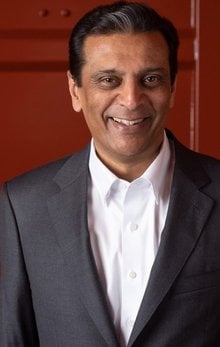
“Our efforts to create a more efficient and profitable network align with our sustainability strategy as we reduce overlapping inefficiencies and deliver value for our stakeholders," says Raj Subramaniam, FedEx's President and CEO, in the firm's 2025 Corporate Responsibility Report.
"We’re using cutting-edge technologies to enhance the efficiency of our network and facilities, modernise and electrify our fleets and harness alternative sources of energy.
"We will continue to explore innovative ways to optimise our network, reduce our environmental impact and run our business more intelligently, sustainably and responsibly.”
Company portals

Executives
Brad Hurwitz
SVP, Supply & Trading
Karen Blanks Ellis
Chief Sustainability Officer & VP of Environmental Affairs
Raj Subramaniam
President, CEO, and member of the Board of Directors