
ASDA’s Bio-LNG Revolution Fuels Greener Future
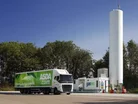
A relatively recent development in alternative fuels, liquefied biomethane (Bio-LNG) — a kind of liquified natural gas — is a renewable biofuel produced by processing organic waste streams such as household waste, manure and sewage sludge.
While Bio-LNG has been in use for over a decade, it’s still considered relatively new and developing as the technology for producing Bio-LNG is still being refined and improved.
Ongoing research, infrastructure development and increasing adoption indicates that Bio-LNG is still in a growth phase rather than being a long-established fuel option — but that is set to change with its growing adoption.
Supermarket giant ASDA operates the UK’s largest fleet of LNG fuelled trucks and is continuing to make significant strides in reducing its carbon footprint through innovative fuel technology.
To underpin this, it has invested in two new Bio-LNG refuelling facilities — a crucial step in its journey towards net-zero operations by 2040.
ASDA’s Bio-LNG commitment
ASDA’s latest investment brings its total number of fully operational Bio-LNG stations to 13 in the UK.
Its two new facilities have been developed in collaboration with major commercial vehicle fuel provider Gasrec.
ASDA says this expansion is not just about numbers but about creating a robust infrastructure to support the supermarket’s fleet of more than 780 LNG-fueled trucks — the largest of its kind in the UK.
This fleet represents a significant shift away from traditional diesel-powered vehicles, embracing a lower-carbon alternative that's currently leading the charge in sustainable transport solutions.
John Rogerson, Central Fleet Operations Manager at ASDA, says: “LNG trucks are currently the leading alternative fuel option for operators like ourselves and with over 780 LNG vehicles, we operate the largest fleet of LNG fuelled trucks in the UK.
“Our continued investment in a UK-wide LNG distribution network forms an essential part of our objective to reduce overall carbon emissions across our operations, and towards building a sustainable business for the future.”
What is Bio-LNG?
Bio-LNG is created through anaerobic digestion. This process generates biogas primarily composed of methane and carbon dioxide.
The methane is then separated, purified and liquefied to create Bio-LNG.
This liquefaction process increases energy density 600 times, making it ideal for heavy-duty transport.
Bio-LNG offers several advantages over diesel, including reduced carbon dioxide emissions, lower engine noise and decreased nitrogen oxide and particulate matter emissions.
As a carbon-neutral alternative to fossil LNG, Bio-LNG is gaining traction in the transport sector, particularly for trucks and ships.
ASDA’s environmental impact and targets in numbers
ASDA’s commitment to sustainability through Bio-LNG and other means provide results.
The supermarket chain has successfully seen a 41% reduction in operational carbon emissions — Scopes 1 and 2 — since 2015 and has a target of 50% reduction by 2025. As well as this, it is aiming for net zero operations by 2040.
These ambitious targets showcase ASDA’s dedication to environmental stewardship and its recognition of the urgent need to address climate change, particularly within the retail sector.
James Westcott, Chief Commercial Officer at Gasrec, says: “We have forged a strong relationship with ASDA and it’s a real pleasure to be able to deliver these two latest facilities for them, as they continue to expand their growing gas fleet and invest in a cleaner and greener fuel source.
“As one of the UK’s largest retailers, ASDA understands the urgency in the need to cut emissions from its fleet as we all work towards a more sustainable transport sector.
“Bio-LNG remains a leading alternative to diesel for long-haul operations and will continue to be so for the foreseeable future.”
ASDA’s commitment to sustainability extends beyond its transport fleet. The company is set to launch a sustainability-linked enhancement to its Supply Chain Finance scheme in partnership with HSBC UK in January 2025.
This innovative programme aims to incentivise better sustainability practices throughout ASDA’s supply chain, creating a ripple effect of positive environmental impact.
Who are some of the biggest names in Bio-LNG?
Some of the energy world’s biggest names are leaders in the Bio-LNG space.
They are.
- Shell: As one of the largest LNG producers globally, Shell is also investing in bio-LNG projects and capabilities
- TotalEnergies: The company has rebranded to reflect its focus on cleaner energy and is a major player in LNG and bio-LNG supply.
- Linde
- Titan LNG: An Amsterdam-based company, Titan LNG partners on large bio-LNG projects and has plans to build the world’s largest biomethane liquefaction plant.
- Nordsol
- Flogas Britain: Flogas Britain was the first UK gas supplier to operate Bio-LNG powered Volvo trucks
As well as the companies listed above, many traditional LNG companies are expanding into the Bio-LNG sector as part of their sustainability initiatives and in response to growing demand for cleaner energy solutions.
Make sure you check out the latest edition of Energy Digital Magazine and also sign up to our global conference series - Sustainability LIVE 2024
Energy Digital is a BizClik brand