
Dysprosium: How is it Vital to green Energy Solutions?
What is dysprosium?
Dysprosium, a silvery-white subtle heavyweight in the periodic table, falls within the family of rare earth elements.
Its name is derived from the Greek 'dysprositos', meaning 'hard to get'.
True to its name, dysprosium is infamous for its elusive presence, mainly used in various high-demand tech applications.
Dysprosium's unique properties make it indispensable in various high-tech applications, but its scarcity and challenging extraction process pose significant hurdles for the global supply chain.
Mining dysprosium: A complex process
In nature, dysprosium isn’t found alone but occurs in minerals like monazite and xenotime, necessitating complex extraction processes.
The mining process typically involves open-pit extraction, followed by complex and often environmentally challenging separation techniques.
The extraction of dysprosium is a multi-stage process that requires significant energy input and produces substantial amounts of waste.
The process begins with the mining of these rare earth-bearing ores which are then crushed and refined.
Through flotation, the rare earth minerals are concentrated, followed by a series of chemical steps including acid leaching and solvent extraction that segregate dysprosium from other elements.
Global production and supply concerns
When it comes to global production, China is virtually unparalleled, controlling approximately 98% of the market.
This dominance leads to widespread concerns about supply security worldwide.
China's stranglehold on dysprosium production has prompted other countries to explore and develop their own resources, albeit on a much smaller scale.
Countries like Australia are stepping up, exemplified by the Browns Range project in Western Australia, while nations such as Brazil, India and the US are also known for their yet minor contributions.
From wind turbines to EVs: The uses of dysprosium
Dysprosium's robust magnetic properties and high resistance to demagnetisation at elevated temperatures make it a crucial component of modern technology.
The demand for dysprosium has skyrocketed with the global push towards clean energy and advanced technologies.
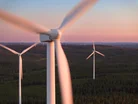
Primarily, dysprosium is utilised in the production of neodymium-iron-boron (NdFeB) magnets, indispensable in the manufacture of wind turbines and electric vehicle motors for enhanced efficiency and performance longevity.
Beyond magnets, dysprosium finds its utility in nuclear reactors as control rods and in various lighting and laser applications.
The dysprosium supply chain
The journey of dysprosium from mine to market involves multiple stages and stakeholders across different continents. Post-mining in predominately China-based operations, the processed dysprosium transitions through numerous forms, finding its way into alloys and magnets, before being incorporated into final products like vehicles and turbines.

Geopolitical complexities and evolving landscape
The geopolitical scenery surrounding dysprosium production teems with uncertainty.
The concentration of dysprosium production in one country poses significant risks to global industries reliant on this critical element", warns Maria Garcia, a Geopolitical Analyst at the International Strategic Resources Institute.
Efforts to diversify the dysprosium supply chain are accelerating, with countries and corporations exploring mining opportunities outside China and investing in sustainable alternatives and recycling technologies.
Amid growing demand and geopolitical tensions, the future landscape of dysprosium presents complex challenges and opportunities, driving global stakeholders towards innovation and cooperation.
The future of dysprosium will be shaped by a delicate balance between technological innovation, geopolitical manoeuvring, and environmental stewardship. How the world navigates these challenges will have profound implications for our technological progress and global cooperation in the 21st century.
Make sure you check out the latest edition of Energy Digital Magazine and also sign up to our global conference series - Sustainability LIVE 2024
Energy Digital is a BizClik brand