Top 10: Bioenergy Companies
The global energy industry is undergoing a seismic transformation, driven by urgent climate goals, technological innovation and evolving regulatory frameworks.
As demand for reliable, lower-carbon energy intensifies, legacy fossil fuel giants and emerging players alike are rethinking how energy is sourced, produced and consumed.
Renewable electricity from wind and solar continues to gain ground, but for hard-to-electrify sectors like aviation, shipping and heavy industry, alternative fuels remain essential.
Bioenergy is increasingly viewed as a scalable solution to decarbonise transport and support energy security.
Derived from feedstocks such as corn, sugarcane, wood pellets and oilseeds, modern biofuels can reduce lifecycle emissions and displace petroleum-based products.
10. Drax Group PLC
Founded: 1974 (Incorporated in 2005)
CEO: Will Gardiner
Headquarters: North Yorkshire, UK

Drax Group operates a biomass‑fuelled Drax Power Station in North Yorkshire. Since 2013, it has been converting coal units to run on compressed wood pellets.
Biomass generation accounts for around 5–6% of UK electricity supply and is supported by UK government subsidies under contracts‑for‑difference extended to 2031 with a maximum 27% load factor under stricter sustainability rules.
The company is developing bioenergy with carbon capture and storage (BECCS), aiming to become carbon‑negative by 2030, and is supplying more than one million tonnes of sustainable biomass annually to upcoming SAF projects in the US Gulf Coast.
9. POET LLC
Founded: 1987
CEO and Chairman: Jeff Broin
Headquarters: Sioux Falls, South Dakota, US

POET LLC is the world’s largest producer of bioethanol, converting corn into nearly three billion gallons of ethanol annually, approximately 19% of US output, across a vertically integrated platform of 34 bioprocessing facilities in the Midwest.
Co‑products include high‑protein distillers' grains, corn oil, bio‑CO₂, dry ice and asphalt rejuvenator.
The company pioneers advanced biofuel technologies like the Liberty cellulosic ethanol project (now closed) and is actively investing in carbon capture through partnerships such as the Tallgrass CO₂ pipeline.
8. Green Plains Inc.
Founded: 2004
CEO: Todd Becker stepped down in March 2025. New CEO TBC.
Headquarters: Omaha, Nebraska, US

Green Plains Inc. is a leading biorefining company in the US, with 10 ethanol biorefineries across Nebraska, Iowa, Minnesota, Illinois, Indiana and Tennessee.
Its platform converts more than 300 million bushels of corn into nearly one billion gallons of ethanol annually, alongside renewable corn oil and Ultra‑High Protein distillers' grains.
Green Plains Inc. operates two segments, ethanol production and agribusiness services, to integrate feedstock procurement, ethanol marketing and co‑product distribution.
The company is investing in carbon capture projects and technology to expand feedstock extraction and enhance low‑carbon fuel production capabilities.
7. Cosan S.A.
Founded: 1936
CEO (and Vice‑Chairman): Marcelo Eduardo Martins
Headquarters: São Paulo, Brazil

Cosan operates one of the world’s largest ethanol and bioenergy businesses through its joint venture Raízen, created with Shell in 2010.
Raízen produces more than 2.2 billion litres of sugarcane‑based ethanol annually and generates electricity using sugarcane bagasse – achieving around 3,000 MW of installed capacity from biomass.
Cosan’s renewable energy division advances biogas, biomass and second‑generation biofuel projects across Brazil, Chile and beyond.
As a major producer of sugar and ethanol, Cosan integrates feedstock cultivation, milling and fuel sales, managing a large export and domestic distribution network.
6. Shell
Founded: Merged as Royal Dutch Shell in 1907
CEO: Wael Sawan
Headquarters: Belvedere Road, London, UK

Shell’s Low Carbon Fuels business produces renewable diesel, bioethanol, biomethane and sustainable aviation fuel as part of its net zero by 2050 strategy.
The company had planned a major biofuel plant at its Rotterdam chemicals park, 820,000 tonnes annual capacity, but paused construction in mid‑2024 amid weak market conditions and technical setbacks, potentially incurring up to US$1bn in costs.
Shell continues partnering on drop‑in biofuels technology and invests in feedstock ventures such as SBI Bioenergy in Canada.
5. Bunge North America
Founded: 1884 (expanded to NA in 1918)
CEO: Greg Heckman
Headquarters: St Louis, Missouri, US
Bunge North America plays a critical role in renewable fuel feedstocks via a strategic joint venture with Chevron U.S.A., named Bunge Chevron Ag Renewables LLC.
Launched in 2022, it leverages Bunge’s soybean crushing facilities in Destrehan, Louisiana and Cairo, Illinois, combined with Chevron’s US$600 m investment.
With this investment, Bunge is developing lower-carbon feedstocks for renewable diesel and sustainable aviation fuel, doubling daily processing capacity to 7,000 tons by end‑2024.
Bunge also historically supplied raw materials to renewable fuel producers like REG, integrating food and fuel chains.
4. Chevron
Founded: 1879
CEO: Mike Wirth
Headquarters: Houston, Texas, US

Chevron is significantly investing in renewable fuels through its subsidiary, Chevron Renewable Energy Group.
Through this group, Chevron offers lower‑carbon solutions such as biodiesel, renewable diesel, fuel blends, renewable compressed natural gas and hydrogen for road, rail, marine and mining sectors.
Its Geismar (Louisiana) biorefinery is currently completing an expansion from approximately 90 MMgy to 340 MMgy of renewable diesel capacity.
In June 2025, Chevron Lummus Global and Neste advanced a joint effort to convert lignocellulosic biomass into sustainable aviation fuel and renewable diesel.
Chevron has also backed feedstock development through investment in projects like Terviva’s pongamia-based biofuel initiative.
3. Valero Energy Corp.
Founded: 1980
CEO: R. Lane Riggs
Headquarters: San Antonio, Texas, US
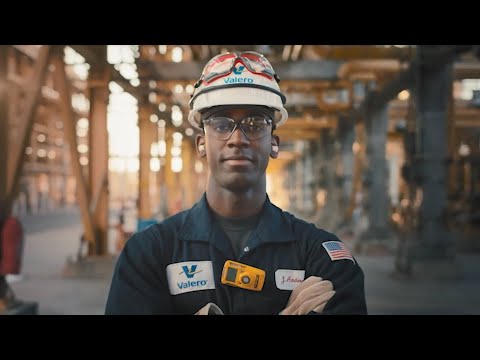
Valero Energy Corporation is a major biofuel producer in North America. It operates 12 corn‑ethanol plants, averaging about 4.6 million gallons per day (MMgpd) ethanol production as of Q2 2025.
Its Diamond Green Diesel joint venture with Darling Ingredients produces renewable diesel, reaching full operational capacity for sustainable aviation fuel (SAF) at its Port Arthur, Texas, facility by January 2025 – allowing around 50% of its 470 MMgy production capacity to be upgraded to SAF.
In Q2 2025, the renewable diesel segment posted an operating loss of US$79m, while ethanol operations remained profitable at an operating income of US$54 m.
2 . Petrobras
Founded: 1953
CEO (President): Magda Chambriard
Headquarters: Rio de Janeiro, Brazil

Petrobras has a long history in Brazilian biofuels. It began its involvement in the early 2000s, expanding into ethanol and biodiesel facilities using feedstocks such as soybean and jatropha.
Petrobras developed the H‑Bio process in 2006, blending vegetable oil with diesel to produce a lower‑sulphur fuel compatible with existing engines.
The company has reignited its involvement in ethanol via partnerships with Raízen, BP and Inpasa under its 2025–2029 strategic plan, with planned investments of around US$2.2 bn in ethanol distilleries.
It is also expanding biodiesel capacity in the south of Brazil alongside BSBIOS, aiming for nearly 300 million litres per year.
1. ADM
Founded: 1902
CEO: Juan Ricardo Luciano
Headquarters: Chicago, Illinois, US

Archer Daniels Midland Company (ADM) is a leading producer of bioethanol and biodiesel, leveraging corn, vegetable oils and waste feedstocks
ADM’s renewable energy business, ADM BioEnergy, is integrated within its agricultural processing operations, converting oilseeds and corn into transport fuels while generating co‑products such as animal feed.
The company is positioned to benefit when US biofuel policy clarifies, as improved biodiesel margins could boost profitability in the latter half of 2025.