Comcast: A New Standard for Internet Energy Efficiency
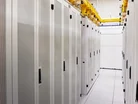
The internet's environmental impact, though not immediately visible, is substantial due to the energy required to deliver vast amounts of data to consumers.
The SCTE (Society of Cable Telecommunications Engineers), with its members including Comcast, AWS and Virgin Media, have introduced the first standard for network energy efficiency.
It aims to enhance transparency in reporting network energy performance whilst meeting the increasing data needs of customers.
This new standard is needed as studies have highlighted the potential environmental consequences of cloud gaming and streaming services.
“Connectivity and energy go hand in hand,” says Ryan Capone, VP of Network Facilities & Energy at Comcast.
“We continue to invest in energy solutions that can power the fastest, most reliable network capable of meeting the future needs of our customers.”
The new standard: Measuring and reporting
The newly approved standard offers guidance on calculating network traffic in bytes.
This metric allows companies to measure network efficiency based on their primary output – the traffic provided to customers.
Key aspects of the new standard include:
- Guidance for intensity metrics, combining energy data (e.g., electricity consumption) with activity data (e.g., network traffic in bytes)
- A consistent approach to measuring and reporting energy performance
- Tools for companies to assess and improve their network energy efficiency.
Derek DiGiacomo, Senior Director of Energy Management Programs & Business Continuity at SCTE, says: “Everyone can see how broadband connectivity is transforming how we live, work, learn and play.
“What they might not see is how broadband connectivity is doing it with increasing efficiency.
“Thanks to Comcast’s leadership in our standards development team, the SCTE standard will enable the visibility we need to continue to drive positive efficiency advancements across the industry.”
Industry efficiency efforts and goals
Leading companies in the sector are already taking steps to improve their energy efficiency.
Comcast has set an ambitious goal to double its network energy efficiency by 2030.
The company is investing in a nationwide network transformation, implementing virtual, cloud-based technologies that promise faster broadband speeds, improved reliability and enhanced energy efficiency.

These efforts have yielded tangible results, with Comcast reporting a 40% reduction in electricity consumption per byte of data delivered since 2019.
Challenges and opportunities
While the new standard represents a significant step forward, the industry faces ongoing challenges in balancing increased data demands with energy conservation.
The rise of cloud gaming and streaming services presents both opportunities and potential pitfalls.
Cloud gaming could potentially reduce the need for energy-intensive gaming hardware in homes.
However, the energy required for data centres and network infrastructure to support these services could offset these gains.
Advancements in technology play a crucial role in improving network energy efficiency.
Some key areas of focus include:
- Virtual and cloud-based technologies for network management
- More energy-efficient data centre designs
- Improvements in network hardware and infrastructure
As the demand for data-intensive services continues to grow, the importance of network energy efficiency is likely to increase.
The new industry standard provides a framework for measuring and reporting energy performance, which could drive further innovations and improvements across the sector.
Explore the latest edition of Energy Digital Magazine and be part of the conversation at our global conference series, Sustainability LIVE.
Discover all our upcoming events and secure your tickets today.
Energy Digital is a BizClik brand