
FedEx and Neste Scale Up SAF to Power Aviation Energy at LAX
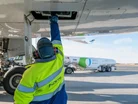
Sustainable Aviation Fuel (SAF) could play a pivotal role in aviation’s journey toward net zero, with the International Air Transport Association estimating SAF could provide around 65% of the sector’s required CO₂ reductions by 2050.
Two major players advancing SAF adoption from an energy standpoint are Neste, the global leader in renewable diesel and SAF production, and FedEx, the world’s largest express cargo airline.
The companies have entered a landmark agreement to supply 8,800 tonnes of blended SAF to FedEx at Los Angeles International Airport (LAX), marking the largest SAF purchase by a US cargo airline at the airport to date.

Energy collaboration for SAF uptake
The agreement centres around Neste’s blended SAF, which will include at least 30% neat Neste ‘MY SAF’.
As a “drop-in” fuel, neat SAF can be blended with traditional jet fuel and used seamlessly within existing aircraft engines and fuelling infrastructure.
This fuel is expected to comprise about 20% of FedEx’s total jet fuel consumption at LAX for FY25.
“As the world’s preeminent express transportation company, our initial US deployment of this fuel advances our sustainability goals and bolsters the aviation industry’s efforts to source and use more SAF,” says Richard Smith, Chief Operating Officer, International, and Chief Executive Officer, Airline, FedEx.
“While we know further growth of the SAF market is needed, alongside other innovations, we are proud to celebrate this milestone with our world-class air network.”
Neste's ‘MY SAF’ can reduce lifecycle greenhouse gas emissions by up to 80% compared to fossil-based jet fuels.
It is made entirely from renewable waste and residue materials such as used cooking oil and animal fat waste, making it a viable long-term energy alternative.
FedEx’s broader energy strategy
FedEx has long invested in SAF as part of a comprehensive energy efficiency strategy.
Beyond Neste, it has collaborated with Boeing’s ecoDemonstrator programme, which achieved the first commercial aircraft flight powered by 100% SAF in both engines in 2018.
Additional efforts to reduce aviation fuel consumption include fleet modernisation, operational efficiency improvements and advanced flight planning.
“Procuring SAF is an important component of our aviation emissions-reduction strategy in the coming years,” comments Karen Blanks Ellis Chief Sustainability Officer and Vice President of Environmental Affairs, FedEx.
“Our aviation network represents the largest amount of FedEx fuel use globally... we need the SAF market to continue to grow to meet industry demand.”
These strategies helped FedEx reach a 30% reduction in aviation emissions intensity by FY24, from a 2005 baseline.
Neste’s global SAF expansion
Neste has significantly increased its SAF production capacity to meet rising energy demands.
In 2025, it began SAF production at its upgraded Rotterdam refinery, adding 500,000 tonnes of annual capacity.
This expansion brings Neste’s global SAF output to 1.5 million tonnes (1.875 billion litres) per year. The company also operates SAF facilities in Singapore and Porvoo, Finland.
“FedEx is demonstrating how this industry can leverage available lower-emission solutions like SAF to reduce its environmental impact,” says Carl Nyberg, Senior Vice President, Commercial, Renewable Products at Neste.
Neste plans to double Rotterdam’s renewable products capacity to 2.7 million tonnes annually by 2027.
Once complete, it will be the world’s largest site for SAF and renewable diesel, contributing to a global production capacity of 6.8 million tonnes per year – 2.2 million tonnes of which will be SAF.
This growth aligns with regulatory frameworks such as the ReFuelEU Aviation Regulation, designed to support the aviation industry’s shift to low-emission fuels.
Explore the latest edition of Energy Digital Magazine and be part of the conversation at our global conference series, Sustainability LIVE.
Discover all our upcoming events and secure your tickets today.
Energy Digital is a BizClik brand