
L.E.K.: What are Key Energy Investment Trends?
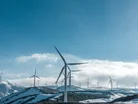
Decarbonisation is an immediate priority in the energy industry and companies are changing strategies to reduce their carbon footprint according to L.E.K. Consulting’s Global Energy Study 2025.
In 2023, clean energy investments reached US$1.8tn according to the International Energy Agency, but a rising demand for oil and gas production remains.
The study includes perspectives from more than 320 executives across the oil and gas, utilities, renewables and investment sectors and shows how industry leaders are rebalancing investments for a more sustainable energy future.
Rebecca Scottorn, Partner, and Amar Gujral, Managing Director and Partner at L.E.K. Consulting, say: “The global energy transition is undergoing a significant recalibration, balancing ambition with economic and infrastructure realities.
“L.E.K.’s latest Global Energy Study highlights a shift from aspirational targets to commercially viable solutions, with investments prioritising proven technologies like solar, storage and energy efficiency.”
What are the key energy investment trends?
Renewable energy is set to double its share of global power generation by 2040, while coal and natural gas are projected to account for less than 40% of power generation by 2029.
The report highlights three key trends in the energy investment landscape:
- Grid modernisation: Increasing integration of renewable energy is pushing grids beyond historical capacity, requiring significant upgrades for stability and adaptability. These investments encompass enhancing transmission and distribution systems, deploying advanced monitoring technologies and implementing digital tools to manage renewable variability.
- Energy storage: Over the next five years, 77% of utilities surveyed plan to significantly expand their energy storage capabilities to support more renewable energy. There is a focus on utility-scale projects and long-duration storage solutions.
- Emissions control: Businesses across the industry are deploying advanced methane detection and reduction technologies to improve operational efficiency alongside lowering emissions. Electrification of industrial processes is also a priority, replacing gas-powered systems with electric alternatives to reduce operational emissions.
Rebecca and Amar explain: “While decarbonisation remains a central focus, traditional energy sources such as natural gas and nuclear continue to play a critical role in ensuring energy security.
“Regional strategies vary—Europe and Australia emphasise grid modernisation, the US focuses on resilience and emerging markets advance energy access.”
Balancing stability with sustainability
Decarbonisation is becoming an immediate priority across the energy industry instead of just future plans.
Within the energy industry, organisations are looking to electrification to reduce emissions.
Both onshore and offshore operations are increasingly turning to electric systems that can also support a boost in efficiency.
Carbon capture and storage (CCS) holds significant potential for industries where electrification is less feasible, but its progress remains unsteady.
Large CCS projects show technical feasibility, but many stall before final investment decisions because of commercial hurdles or unclear agreements.

“Investment in grid infrastructure and energy storage is accelerating to address the intermittency of renewables and rising power demand from electrification and data centres,” Rebecca and Amar explain.
“Companies are now adopting a pragmatic approach, integrating sustainability with economic returns. By aligning investments with scalable solutions and fostering collaboration, the energy sector is charting a balanced path toward a more resilient, low-carbon future.”
Where are the challenges in energy’s future?
Scaling clean hydrogen remains a challenge due to a lack of distribution networks and political clarity.
Despite optimism, investors remain cautious until these issues are reduced.
Nature-based carbon offset solutions appear promising to the industry but are facing scrutiny over measurement and long-term impact.
Electric vehicle charging infrastructure is also slow, particularly for heavy-duty vehicles.
Limitations in grid readiness and commercial viability are preventing this technology from scaling up quickly.
Explore the latest edition of Energy Digital Magazine and be part of the conversation at our global conference series, Sustainability LIVE.
Discover all our upcoming events and secure your tickets today.
Energy Digital is a BizClik brand