EDF: Exploring the Energy Giant's Bold Procurement Strategy
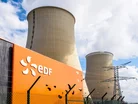
EDF operates one of the world’s most complex industrial supply chains in the energy sector, covering nuclear generation, renewables, networks and customer services.
That scale and variety place procurement at the core of how the company controls costs, manages project timelines and limits operational risk.
Over time, procurement at EDF has moved from transactional buying towards long-term programme support. The approach focuses on setting high standards early, deepening category knowledge and ensuring that sourcing strategies align with operational demands.
However, the goal remains consistent across the board – to secure critical components and services at pace while improving the resilience, safety and environmental performance of projects in France, the UK and other key markets.
Procurement leads from the front
Électricité de France (EDF), led by CEO Bernard Fontana, is a vertically-integrated energy company based in France. It has a core nuclear fleet supported by wind, solar, energy storage, networks and retail services across multiple nations.
The company’s industrial operations create a constant need for major construction projects, bespoke technical services and complex engineered systems – all of which must meet strict regulatory and safety standards.
As a result, procurement works alongside engineering teams from the outset, helping to confirm technical specifications, align construction schedules and ensure that quality controls apply from raw materials through to final installation.
EDF procurement professionals focus on shaping delivery plans as much as placing purchase orders. Long-lead items come under scrutiny well in advance of contract awards. Supplier qualification is treated not as a one-off hurdle but as an ongoing evaluation, especially in safety-critical supply chains. This way, procurement becomes part of the delivery function – helping projects stick to schedule, avoid defects and maintain quality throughout.
Success is not just measured in cost savings. Achieving predictable timelines, smooth handovers and reducing rework matter just as much. Procurement teams make these outcomes possible by embedding themselves in every stage of a project.

Supplier expectations align with operational values
EDF makes its expectations of suppliers clear and enforceable.
Health and safety remains the top priority. Supplier conduct must also meet rules on ethics, human rights and anti-corruption, which are enforced through the contract process.
Environmental performance is treated as part of the technical specification, not as an extra requirement. Suppliers are assessed on their ability to meet carbon, energy and waste performance targets over the full lifecycle of an asset. In some contracts, performance incentives reward measurable gains in efficiency or waste reduction, rather than prescribing how those improvements must be delivered.
Risk assessment applies equally to all suppliers, whether they are large global equipment manufacturers or smaller, highly-specialised firms. Procurement teams monitor financial, operational and quality indicators to spot early signs of strain. If a supplier starts to struggle with capacity or delivery, EDF acts quickly to protect the project timeline.
Payment discipline underpins this effort. Smaller businesses benefit from prompt invoice approvals and optional financing tools that help maintain cash flow. These systems support supplier stability without relaxing governance or control standards.
Local benefits meet global delivery goals
EDF’s supply chain strategy aims to combine global reach with regional delivery. Strategic packages bring together international expertise with local manufacturing and services, enabling projects to deliver at pace while supporting local economies.
The company runs regular supplier forums to share incident reports and agree improvements. Practical changes – including better lifting plans, streamlined logistics and digital quality records – help cut waste, reduce errors and improve productivity on site.
Behind these efforts is an investment in procurement data. EDF builds a single view of spend, supplier performance and contract information. This visibility allows procurement and category teams to forecast issues, adjust sourcing strategies and identify weak spots before they delay projects.
Forecasting does not eliminate uncertainty but helps manage it. When teams can see which parts of a plan are most exposed, they can change the order of work, secure alternative sources or build in buffers where they matter most.
Data disciplines also support EDF’s sustainability efforts. Procurement teams use digital records to track material use, repair history and end-of-life recycling options. This ensures resources stay in use for longer – especially important as maintenance and refurbishment play a growing role alongside new builds.
EDF’s procurement function is evolving to deliver more than just supply. It balances cost, quality and risk while strengthening supplier relationships that can withstand operational pressure. Standards are applied consistently across projects, and procurement data underpins decisions that affect long-term performance.
As electrification expands, EDF's model of procurement – one rooted in resilience, safety and accountability – becomes an integral part of its ability to deliver energy infrastructure at scale.