Coldplay Cuts Tour Emissions with Renewable Innovations
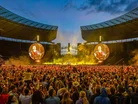
With 151 million people attending nearly 55,000 events globally in 2024 through Live Nation's platforms, significant logistical challenges emerge, particularly concerning environmental impact. Event travel and reliance on single-use plastics, such as water bottles and snack packaging, compound these challenges. The emissions from fans and artists traveling to each venue contribute significantly to the carbon footprint.
Coldplay is actively working to counteract this impact during its most current tour, with a focus on raising fans' environmental awareness and reducing its own emissions significantly.
Innovative approaches to emission reduction
In its commitment to reducing environmental impact, Coldplay has decreased its carbon emissions by more than 50% through implementing more sustainable practices such as energy reduction and extensive recycling initiatives. The band aims to offset more CO₂ than produced by the tour through funding projects focused on environmental rehabilitation and innovation. These initiatives include:
- Reforestation
- Rewilding
- Conservation
- Soil regeneration
- Carbon capture and storage
Furthermore, Coldplay seeks guidance from the Oxford Principles for net zero aligned carbon offsetting to address unavoidable emissions. Partnering with notable firms like DHL, a leader in sustainable logistics solutions, enhances their efforts to lower emissions from transportation and other logistics-related environmental impacts.
Renewable energy at concerts
Partnering with BMW, Coldplay developed the first rechargeable show battery, leveraging recycled BMW i3 batteries to power concerts entirely with renewable energy.
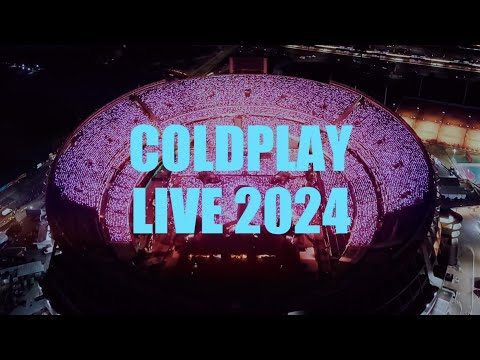
The setup includes solar photovoltaic panels installed backstage to charge the batteries prior to each show. The tour also features innovative energy sources, such as kinetic floors installed around stadiums, where energy from fans' movements contributes to powering the performance.
The band relies on renewable diesel made from hydrotreated vegetable oil, further reducing the tour's carbon footprint. Each aspect of the concert is carefully designed with sustainability in mind, incorporating stages built from lightweight, low-carbon, and reusable materials, such as recycled steel. LED wristbands distributed to audiences are compostable and reused to minimize production waste.
DHL's contribution to emissions management
DHL has played a crucial role in reducing Coldplay's tour emissions by deploying a carbon intelligence and monitoring system. This system provides an in-depth analysis of the tour's carbon footprint, allowing for targeted optimization operations. Findings revealed that a significant portion (over 80%) of CO₂ emissions stemmed from air transport of equipment.
To address this, DHL developed the GoGreen Plus initiative. This program utilises carbon insetting, enabling customers to reduce emissions directly at the source. For instance, enabling air freight carriers for the tour to purchase Sustainable Aviation Fuel, which provides an 85% reduction in the fuel life-cycle per flight.

“We've been highly impressed by DHL’s commitment to sustainability,” says Coldplay’s Co-Manager, Phil Harvey.
Additionally, DHL ensured that tour equipment was transported via trucks running on sustainable fuel.
Fan engagement and environmental education
Coldplay aims to inspire and educate fans about sustainability.

In collaboration with SAP, the band has launched a free app advising on low-carbon transport options to concert venues, rewarding those who choose greener methods with discounts. The tour's "energy zones" utilise solar and kinetic power to engage fans with interactive experiences highlighting clean technology and the natural world.
Fans are encouraged to bring refillable water bottles, and refill stations are provided at each venue. Merchandise is made using natural fibers, recycled elements, and packaged in eco-friendly materials.
Coldplay released a statement saying: “We’re happy to report that direct CO₂ emissions from the first two years of this tour are 59% less than our previous stadium tour (2016-17), on a show-by-show comparison. These figures have been verified by the MIT Environmental Solutions Initiative.
“We’d like to say a huge thank you to our incredible touring family and to all the brilliant people who’ve made this possible.
“Most of all, we’d like to thank everyone who’s come to a show and helped charge the show batteries on the power bikes and kinetic dance floors; everyone who’s arrived by foot, bike, ride share or public transport; everyone who’s come with refillable water bottles or returned their LED wristband for recycling; and everyone who’s bought a ticket, which means you’ve planted one of 7 million trees so far.
“As a band, and as an industry, we’re a long way from where we need to be on this. But we’re grateful for everyone’s help so far, and we salute everyone who’s making efforts to push things in the right direction.”