
SkyNRG: The Aviation Sector's Ultimate SAF Partner
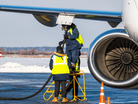
SkyNRG is one of the few companies in the global economy concentrating entirely on sourcing, producing and supplying sustainable aviation fuel, otherwise known as SAF.
In 2025, the SAF market was valued at around US$2.2bn and is expected to be worth between US$25bn and US$35bn by 2035 as energy policy, carbon pricing and airline decarbonisation targets combine to drive demand for greener flying.
The development of SAF is regarded as crucial to the net zero ambitions of airlines, as it can reduce lifecycle emissions by up to 80% compared with conventional jet fuel.
SAF can also be used in existing aircraft engines and fuel systems, which makes it a particularly alluring near‑term solution for the aviation sector while regenerative energy technologies mature.
As new biorefineries reach completion and government support scales up, output is forecast to rise from around 0.3 billion gallons in 2025 to nearly 3.7 billion by 2030 – a compound annual growth rate above 60%.
Beyond 2030 the need for energy security and renewable feedstocks could push global demand to nearly 40 million tonnes, widening the supply gap that next‑generation projects must close.
The relationship between regulation and investment
Policy frameworks across both sides of the Atlantic are acting as catalysts for the SAF sector right now.
The EU’s ReFuelEU Aviation scheme mandates a 2% SAF blend from 2025, rising to 70% by 2050, while the US’s SAF Grand Challenge targets three billion gallons per year by 2030 and 35 billion by 2050.
With supportive tax credits and infrastructure incentives, North America accounted for roughly 47% of global SAF market value in 2025.

Building the infrastructure backbone
Since being founded in Amsterdam in 2009, SkyNRG has evolved from a first‑mover trading platform to a leading developer of dedicated SAF production assets.
Early success came from fuels derived from used cooking oil that were among the first to power regular commercial flights.
Today its focus is on industrial‑scale SAF capacity, guided by a “high‑integrity” ethos and a certified B Corp status.
Sustainability certifications such as RSB and CORSIA reinforce the company’s commitment to traceability and carbon transparency.
Planned energy plants in the Netherlands (DSL‑01), the US and Sweden will use waste‑based feedstocks and, in Sweden’s case, captured carbon dioxide.
This diversified approach reflects SkyNRG’s technology‑neutral commitment to scaling renewable energy supply.

Leadership shaping the next phase
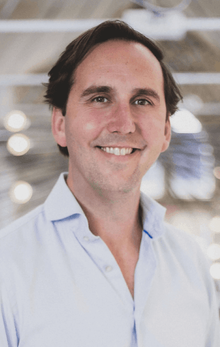
In December 2024, co‑founder Maarten van Dijk became Chief Executive Officer after serving as Chief Development Officer since the company’s inception.
His long‑term role in project design and investment strategy places him ideally to steer SkyNRG through large‑scale infrastructure build‑outs like DSL‑01, which aims for a final investment decision in 2025.
“As CEO, I am excited by our strategic vision to have multiple SAF production facilities online by 2030 while continuing to support our market‑leading SAF supply services,” Maarten says.
His appointment signals SkyNRG’s maturation from entrepreneurial pioneer to institutional energy player, combining long‑term offtake contracts, project‑finance discipline and collaborative partnerships.
Financing the energy scale‑up
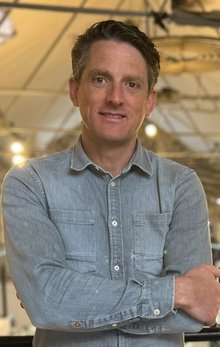
Financial leadership from Chief Financial Officer Noud Tillemans, who joined in 2023, adds further weight to this next stage.
Drawing on a background in renewable chemicals and sustainable electronics at Fairphone, Noud is structuring the financial frameworks and capital partnerships essential for global expansion.
He succeeded Co‑Founder Theye Veen as CFO, allowing Theye to lead on commercial growth as Chief Commercial Officer – a shift that reinforces SkyNRG’s professionalised approach to risk, capital markets and energy project financing.
Strategy for sustainable energy growth
SkyNRG’s strategy rests on three pillars:
Responsible sourcing of waste and residue feedstocks
Large‑scale, low‑carbon production capacity
Strategic ecosystem partnerships.
Its independent Sustainability Board helps ensure growth aligns with land‑use, biodiversity and food‑security standards.
Projects such as DSL‑01, along with sister plants in the US and Sweden, are designed to close the forecast production gap from 2030 onward — when mandated demand will far exceed current supply.
By connecting airlines and corporate partners through book‑and‑claim systems, SkyNRG enables reduced aviation‑related emissions even where direct SAF supply is constrained.
If successful, the company could help shift aviation energy from fossil dependence to a future anchored in renewable supply, making SAF a cornerstone of global fuel systems.
Company portals
Executives
Maarten van Dijk
CEO
Noud Tillemans
CFO
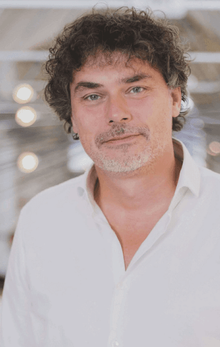
Theye Veen
Co-Founder