Top 10: Smart Grid Solutions
The energy sector is always developing, but predictions of massive energy demand and sustainability regulations are bringing in a huge transformation.
These changes bring complex challenges — not just to utilities, but businesses and people who need energy for everyday tasks.
Optimising grid operations, integrating renewable energy sources and maintaining reliability are of huge importance in this transformation.
Innovation in grid technology is essential for a secure affordable and environmentally responsible energy future.
Smart grid solutions are at the heart of this transformation, offering advanced tools to manage complexity, improve efficiency and unlock new possibilities for a greener grid.
Energy Digital ranks 10 of the top smart grid solutions.
10. Toshiba Micro Energy Management System
CEO: Taro Shimada
Headquarters: Tokyo, Japan
Employees: 116,000
Revenue: US$24.1bn (2023)
Toshiba's Micro Energy Management System (μEMS) is a key technology for smart grid power systems.
It optimises power control by balancing supply and demand, integrating renewable energy sources like solar and wind power with conventional energy sources.
μEMS forecasts demand and renewable energy output, schedules energy supply and controls fluctuations in real-time.
This system helps reduce fuel consumption and CO₂ emissions in microgrids, as demonstrated in projects like the Maldives installation, where it's expected to save 4.5 million gallons of diesel fuel over 15 years.
9. GE Vernova FACTSFLEX GFMe
CEO: Scott Strazik
Headquarters: Massachusetts, USA
Employees: 76,800
Revenue: US$24.9bn (2024)
GE Vernova's FACTSFLEX GFMe is an innovative smart grid solution that combines STATCOM technology with supercapacitor energy storage.
“The digital transformation of the grid is becoming a mission critical endeavor to optimise grid operations, ensuring a steadfast, efficient and secure electricity supply, especially with the integration of more renewable energy sources,” says Bernard Dagher, Chief Strategy and Growth Officer of GE Vernova's Grid Solutions in the Middle East & Africa.
“At GE Vernova, we understand the importance of collaborating with our customers and industry stakeholders to implement robust cybersecurity measures across energy and utilities to prevent disruptions.”
8. Honeywell Forge Performance+ for Utilities
CEO: Vimal Kapur
Headquarters: North Carolina, USA
Employees: 102,000
Revenue: US$38.5bn (2024)

Honeywell Forge Performance+ for Utilities is an innovative AI-enabled platform designed to enhance utility grid operations and asset performance.
It incorporates artificial intelligence, machine learning and digital twin capabilities to monitor assets, identify root causes and introduce predictive analytics for proactive grid management.
“It’s critical that companies learn how to harness this data at an enterprise level to drive intelligent, sustainable, safe and secure operations. Without it, they will continually be playing catch-up in operational efficiency and productivity,” says Kevin Dehoff, president and Chief Executive Officer, Honeywell Connected Enterprise.
“Honeywell Forge, which is purpose-built SaaS for vertical markets, is designed to deliver better insights to help address these problems and improve performance.”
7. Cisco Distribution Automation
CEO: Chuck Robbins
Headquarters: California, USA
Employees: 90,000
Revenue: US$53.8bn (2024)
Cisco Distribution Automation is a comprehensive smart grid solution that optimises and modernises utility distribution grids.
It incorporates advanced communication networks, switches, routers, sensors and software applications to enable real-time adjustments to changing loads and conditions.
“Our customers in the electric utility industry are always looking for new ways to meet the ever-changing demands of today’s digital era all while reducing costs and increasing grid stability,” says Sean Song Jiang, Distributed Automation Systems Lead at Cisco IoT Solutions Group.
“And our Cisco engineers work countless hours to meet the changing needs of the industry to help our customers stay competitive in the market.”
6. Oracle Utilities Smart Grid Gateway
CEO: Safra Catz
Headquarters: Texas, USA
Employees: 159,000
Revenue: US$53bn (2024)

Oracle Utilities Smart Grid Gateway is a powerful communication platform that bridges the gap between utility systems and smart grid devices.
It supports interactions with various edge applications, including meter data management systems, enabling utilities to efficiently handle the exponential growth of data from smart meters and sensors.
The solution offers robust features such as on-demand meter reads, unit of measure filtering and integration with Common Information Model (CIM) head-end systems.
By providing a scalable and flexible infrastructure, Oracle's Smart Grid Gateway helps utilities optimise grid operations, improve reliability and enhance customer engagement in the evolving smart grid landscape.
5. Hitachi Energy e-mesh
CEO: Andreas Schierenbeck
Headquarters: Zurich, Switzerland
Employees: 45,000
Revenue: US$59.7m (2024)
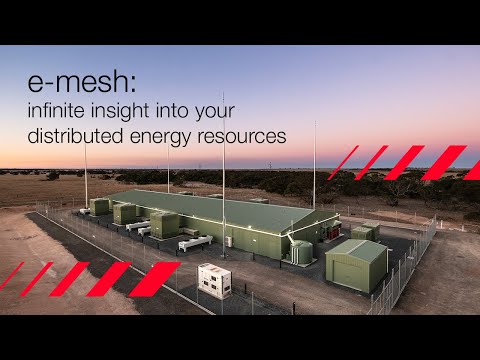
Hitachi Energy's e-mesh is a comprehensive smart grid solution that revolutionises distributed energy resource management.
This vertically-integrated portfolio offers advanced power management, optimisation and control for renewable energy sources, energy storage systems and microgrids.
With real-time monitoring, forecasting and analytics capabilities, e-mesh enables utilities and industrial facilities to maximise renewable integration, enhance grid stability, and reduce carbon emissions.
Its modular and scalable design adapts to diverse power needs and grid requirements, making it an ideal solution for the evolving energy landscape.
“Pre-engineered, pre-wired and meticulously tested before shipping to our customers, this solution accelerates battery energy storage systems’ (BESS) time-to energise by significantly reducing costly on-site installation and time-consuming civil works,” Hitachi Energy says.
4. IBM Maximo Application Suite
CEO: Arvind Krishna
Headquarters: New York, USA
Employees: 305,000
Revenue: US$62.7bn (2024)

IBM’s Maximo Application Suite is an AI-based asset management solution with a range of solutions for utilities including IBM Maximo Renewables.
Kendra DeKeyrel, VP, ESG & Asset Management Products Leader at IBM, says: “This solution is designed to provide our clients the insights, tools and expertise they need to successfully manage and maximise the efficiency of their renewable energy assets.
“IBM Maximo Renewables can help accelerate organisations’ sustainability initiatives by allowing them to track and monitor the performance of solar, wind and energy storage assets in near real-time — helping to identify causes for underperformance and recommending actions to optimise renewable generation capacity.”
IBM Maximo Health and IBM Maximo Predict can help to optimise energy grid reliability effectively through data-driven tools.
3. Schneider Electric EcoStruxure
CEO: Olivier Blum
Headquarters: Rueil-Malmaison, France
Employees: 168,000
Revenue: US$40.1bn (2024)

Schneider Electric's EcoStruxure platform is a cutting-edge smart grid solution that addresses the evolving challenges of modern power distribution.
This comprehensive system integrates Advanced Distribution Management (ADMS) and Distributed Energy Resource Management (DERMS) to optimise grid operations and facilitate the integration of renewable energy sources.
EcoStruxure enhances grid flexibility, resilience and efficiency, enabling utilities to manage complex networks with greater ease.
Its open architecture and interoperability allow for seamless integration of various technologies, making it an ideal choice for utilities seeking to modernise their infrastructure and meet sustainability goals.
2. ABB Ability Energy Manager
CEO: Morten Wierod
Headquarters: Zurich, Switzerland
Employees: 110,000
Revenue: US$23.8bn (2024)

ABB Ability Energy Manager is a smart grid solution that enhances energy distribution and management.
This cloud-based platform seamlessly integrates with smart grids, enabling real-time monitoring and control of electrical systems.
By leveraging advanced data analytics, it empowers grid operators to optimise energy flow, reduce inefficiencies and respond swiftly to fluctuations in demand.
The system's ability to connect various devices, including third-party equipment, allows for comprehensive grid visibility and control. This interoperability is crucial for modern smart grids, facilitating better load management and improved grid stability.
ABB Ability Energy Manager's predictive maintenance capabilities contribute to enhanced grid reliability by anticipating potential issues before they cause disruptions. Its adaptive load shedding and power control features ensure optimal grid performance even during peak demand periods.
“By implementing this system, customers can save up to 40% of maintenance costs and eliminate up to 30% of maintenance-related site intervention,” ABB says.
“By digitising electrical assets and optimising maintenance cycles, they can also increase asset lifespan and reduce their environmental impact. In fact, 50% of electrical equipment such as metal cabinets, steel plates and busbars — products with high carbon footprints — can be used perpetually without being replaced if components such as circuit breakers are regularly monitored, maintained and upgraded.”
1. Siemens Gridscale X
CEO: Roland Busch
Headquarters: Munich, Germany
Employees: 320,000
Revenue: US$72.3bn (2024)
Siemens Gridscale X is a software platform revolutionising grid management for the energy transition.
This innovative solution enables utilities to scale grid capacity rapidly, enhance flexibility and manage the complexities of distributed energy resources (DER).
Gridscale X creates digital twins of distribution grids, offering full transparency and reducing outage times by up to 30%.
With AI-driven insights and autonomous management capabilities, it helps operators optimise asset utilisation, increase grid capacity by 20-30% and accelerate response to power outages.
Gridscale X makes it possible to run grids closer to their physical limits while maintaining transparency and reliability.
“Gridscale X is a game-changer for grid operators navigating the energy transition,” says Sabine Erlinghagen, CEO of Siemens Grid Software.
“By providing modular, interoperable software that seamlessly integrates with existing infrastructure, we're empowering utilities to accelerate digital transformation easier, faster and at scale, helping to solve their most pressing challenges efficiently and reliably.”
One of the key features of Gridscale X is its modular design, which allows for easy deployment and fast integration into existing IT and OT environments.
This interoperability and flexibility are crucial for utilities facing the challenges of the energy transition, including a projected seven-fold increase in DERs and a tripling of electricity demand worldwide.
Explore the latest edition of Energy Digital Magazine and be part of the conversation at our global conference series, Sustainability LIVE.
Discover all our upcoming events and secure your tickets today.
Energy Digital is a BizClik brand