
Coal Investment Hits 14-Year High, IEA Warns
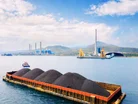
Investments in coal have reached a 14-year high, according to the International Energy Agency’s latest World Energy Investment report.
The study projects that investments in the fossil fuel are on course to top US$180bn by the end of 2026, the highest figure since 2012.
These findings speak to an uncomfortable truth present in the energy sector today, that despite all the recent progress on renewable energy, hydrocarbons still account for a huge proportion of power generation the world over.
This figure of US$180bn represents a 4% increase from 2025, while the main economies responsible for the spike are China and India.

China and India lead the way
The IEA says that more than 65% of all investments in coal come from China, with funding for steam coal production alone set to top US$100bn this year. For context, that is double what it was a decade ago.
The second biggest investor on the national level is India, where spending on coal has tripled over the last 10 years.
The country has been pushing hard to increase domestic production of late, with Coal India and a host of new companies winning auctions for commercial mines, adding tens of millions of tonnes of new capacity every year.
India is also the leader when it comes to investments in coal transport infrastructure (the trains used to move coal from mines to ports), with spending rising from US$5bn to US$7bn, and is seeking to expand its coal gasification capabilities to produce chemicals.
The global picture
While the overall statistics may trouble environmentalists, the headline figures do not tell the full story.
Outside of China and India the picture is much different, with investments in steam and coking coal expected to fall for the second year running.
In fact, the upwards trend is almost entirely propped up by China’s expansion of its coal projects.
That is not to say that other countries are not investing in coal, however. The IEA says that Russia is currently spending around US$6bn on coal supplies, alongside big railway and seaport expansions designed to deliver coal to East Asia.
Elsewhere, Australia is investing around US$4.5bn in coking coal this year, with two new processing plants announced and a number of smaller projects in the pipeline.
Meanwhile, the US and Canada have streamlined the approval process for coal projects, which has seen the region’s project queue swell to 15, accounting for a combined 34 million tonnes of annual coal capacity.

The crisis effect
Predictably, the IEA has noted that ongoing geopolitical instability in the Middle East is likely to increase spending on coal.
With oil and gas supplies – particularly those destined for Asia – disrupted by the war in Iran, Asian markets are turning to coal as a fallback to keep their assets operational.
While imports dominate the story here, the IEA highlights the refurbishments being made to existing coal facilities across the continent.
While China is currently the outlier when it comes to aggressive, new-build coal expansion, it remains to be seen if other countries will follow suit should the Middle East conflict drag on.
The implications for UK businesses
For energy professionals and procurement teams in the UK, these trends will feel close to home.
“Coal investment at a 14-year high is an uncomfortable data point in a report that otherwise tells a compelling story about the acceleration of clean energy, and it would be a mistake to dismiss it as someone else's problem,” says John Haw, CEO of UK energy procurement firm Fidelity Energy.
The argument is a familiar one to anyone who has watched how Asian commodity markets feed into UK wholesale energy prices, but it is made with particular force here given the scale of the numbers involved.
“What happens in Asian energy markets has a direct bearing on the price environment UK businesses are operating in,” adds John.
“The transition is real and the direction of travel is clear, but the path is more complicated than the headline numbers suggest, and business energy strategies need to reflect that complexity.”
The IEA's analysis reflects that complexity.
The agency forecasts that total investment in fossil fuel will reach approximately US$1.2tn this year, a figure that sits alongside, rather than in opposition to, the US$2tn now flowing annually into clean energy.
While clean energy is growing faster than hydrocarbons, coal is not retreating on anything like the timeline that would be required to meet international climate targets.
Company portals




Executives

John Haw
CEO