
How Tetra Pak's Heat Pump Pasteurising Can Cut Energy Costs
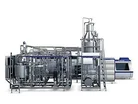
Tetra Pak has introduced a new integrated heat pump system aimed at the electrification of pasteurisation, which could deliver energy reductions of up to 77% in large-scale dairy production.
The system is the latest addition to Tetra Pak's Factory Sustainable Solutions portfolio, designed for food and beverage producers looking to lower operational expenses and carbon emissions.
The technology focuses on recovering and repurposing waste heat from pasteurisation, a process traditionally dependent on fossil fuel-powered boilers for heating and separate electric chillers for cooling.
This integrated system uses an electric heat pump to capture low-temperature waste heat, elevate it to higher temperatures for heating and simultaneously produce ice water for cooling needs.

Redefining energy use in pasteurisation
Tetra Pak’s system addresses a major area of energy consumption in food production.
By combining heating and cooling functions it moves away from conventional methods that rely on separate energy-intensive units.
Tetra Pak states that the system can recover up to 2kWh of heat for every 1kWh of electricity used, suggesting it could be up to three times more efficient than standard boilers.
This approach to heat recovery at an industrial scale presents a method for electrifying thermal processes that are a major source of energy demand and emissions in the food and beverage sector.
The launch arrives as manufacturers contend with pressure to move away from fossil fuels due to volatile energy pricing and increasing emissions regulations.
Analysing the financial and environmental impact
For a dairy facility that processes 60,000 litres of milk per hour and operates for 6,000 hours a year, Tetra Pak calculates that the system could lead to annual savings in operating expenses of up to US$250,000.
According to Tetra Pak's analysis, the same operation could also reduce its CO₂ emissions by as much as 650 tonnes annually.
These calculations are based on specific process conditions including product temperatures, heat recovery levels and the efficiency of existing utility systems.
The actual savings and environmental benefits will likely vary between different facilities depending on their unique operational parameters.
The system is designed for producers running large-scale pasteurisation processes with applications in fruit juice, chilled milk, cheese production and ambient milk pre-treatment.
Integrating advanced technology with production needs
Industrial heat pumps are becoming more common across European manufacturing as part of a wider push toward the electrification of thermal processes.
Tetra Pak’s solution targets a specific bottleneck in dairy and beverage production where the concentration of thermal energy demand in pasteurisation makes heat recovery a viable option at scale.
"Food and beverage producers need smarter ways to reduce energy use without compromising performance," explains Nicole Uvenbeck, Director of Factory Sustainable Solutions and OEM Components at Tetra Pak.
"The new heat pump system delivers up to three times the efficiency of conventional boilers, recovering 2 kWh of heat for every 1 kWh of electricity."
Tetra Pak mentions it will work with customers to integrate the system into their existing operations.
"By blending advanced technology with a deep understanding of the daily challenges F&B producers face, we've developed a solution designed to make one of the most energy-intensive stages of food production more efficient," says Fiona Liebehenz, VP of Key Components, Plant Solutions and Channel Management at Tetra Pak.
Tetra Pak has not provided details on the system's pricing or its expected deployment figures.
Company portals

Executives

Fiona Liebehenz
VP of Key Components, Plant Solutions and Channel Management

Nicole Uvenbeck
Director of Factory Sustainable Solutions and OEM Components