
Can LG’s Clean Tech Growth Help its 2030 Energy Targets?
LG Electronics has set out a strengthened energy and sustainability roadmap in its 2024–2025 Sustainability Report, revealing detailed progress towards a net zero future.
As demand grows for responsible energy use in manufacturing and product design, LG is linking its global expansion with energy efficiency, clean power and decarbonisation at scale.
Operational emissions and renewable energy shift
At the centre of LG’s energy strategy is its target to achieve net zero operational emissions by 2030.
These include Scope 1 emissions, which come from direct sources like on-site fuel use and Scope 2 emissions, which are indirect, such as purchased electricity.
Since 2019, LG has cut both by 40% using a 2017 baseline.
Its plan is supported by a full switch to renewable electricity at all global production sites, aligned with its RE100 pledge — a corporate initiative that commits companies to 100% renewable electricity.
This shift is already being delivered through solar installations, smart grid integration and AI-driven energy systems.
“To achieve carbon neutrality in the production stage by 2030, LG Electronics is expanding the use of high-efficiency equipment to improve energy efficiency and accelerating the transition to renewable energy across our production sites,” says William (Joowan) Cho, CEO of LG Electronics.
In 2023 alone, LG increased its renewable energy usage by 11% year-on-year.
This growth combines onsite generation with renewable procurement via Power Purchase Agreements (PPAs) and Renewable Energy Certificates (RECs), allowing LG to claim verified green energy use across its facilities.
These changes are already reshaping LG’s logistics and manufacturing energy profile, with solar power, energy optimisation and low-emission equipment helping reduce operational dependence on fossil fuels.
Circular design and low-resource manufacturing
LG is expanding its energy and resource strategy by designing circular systems into its operations.
It frames this approach through its ‘3Cs’: Carbon Neutrality, Circularity and Clean Technology, which guide environmental priorities.
For social impact, its ‘3Ds’: Decent Workplace, Diversity & Inclusion and Design for All, set the wider governance and equity context.
In energy terms, circularity can limit waste and improves supply chain resilience.
In 2023, LG recovered 527,000 tonnes of electronic waste across 52 countries through global take-back programmes.
It also audits more than 2,900 suppliers annually on environmental performance via its Green Program Plus.
More than 32,000 tonnes of recycled plastics were used in LG products in 2023.
The company aims to reach 600,000 tonnes cumulatively by 2030, cutting embedded emissions in product lines and reducing demand for virgin materials.
Eco-design plays a supporting role in this.
Products like the LG Styler, WashTower and OLED displays combine reduced material intensity with high energy efficiency, directly addressing operational energy use by customers and helping to lower household electricity consumption.

Governance, inclusion and smarter energy use
LG’s energy efforts sit within a wider ESG (Environmental, Social and Governance) framework.
It has built oversight structures like the Sustainability Management Council, chaired by the CEO, and uses ESG-specific KPIs in executive pay and board review processes.
The company also runs mandatory human rights impact assessments at overseas operations, reflecting a joined-up supply chain approach to responsible sourcing and labour practices.
As part of its diversity goals, LG has increased the number of female managers and backed leadership programmes for underrepresented groups.
Smart home energy use is a major pillar of LG’s strategy to reduce downstream emissions.
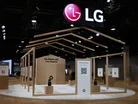
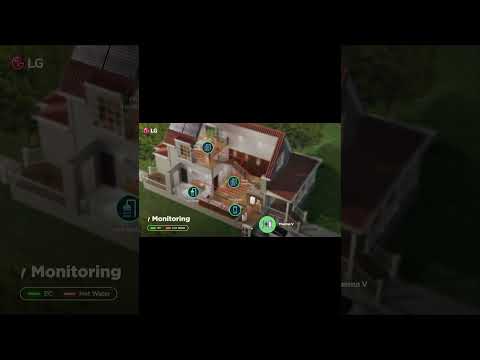
Its Smart Home Energy Platform, presented at CES 2024, gives consumers real-time control over energy use across appliances.
By integrating monitoring and automated controls, LG aims to promote lower energy bills and more efficient use of domestic electricity.
This connects to broader energy literacy efforts under the "Better Life for All" campaign, which targets digital inclusion and access to energy-saving technologies.
LG works with global partners to deliver sustainable tech in underserved communities, enabling more people to benefit from energy-efficient living.
Lyu Jae-Cheol, President of LG Electronics Home Appliance & Air Solution Company, says: “We will continue to leverage our industry-leading core technologies to create solutions that benefit people and the planet.”