How the UK is Cracking Down on Russian Oil's 'Shadow Fleet'
Since Russia's invasion of Ukraine in 2022, Russia has been subject to severe sanctions from countries across the EU and G7.
As energy is one of Russia's largest exports, these restrictions have hit the country's oil and gas revenues hard, thereby cutting off funding for the ongoing war.
The restrictions have not completely stopped the outward flow of hydrocarbons, however.
To navigate Western sanctions, Russia is now using a "shadow fleet" of ageing, often unmarked tankers, which can be more difficult for foreign governments to identify as Russian.
The allies of Ukraine are beginning to crackdown on the shadow fleet, though, with the UK Government saying that it is moving to confiscate Russian-operated vessels.
The decision marks an escalation in efforts to choke the energy revenues sustaining Moscow’s war in Ukraine.
Since sanctions were first introduced, Russia has relied on this covert fleet to maintain crude exports.
Now, as oil markets react to heightened geopolitical instability, Britain’s intervention could disrupt one of the most opaque trading systems in the global energy economy.
Energy sanctions and old tankers
When Russia invaded Ukraine in 2022, G7 nations and the EU introduced the Russian crude oil price cap – a measure designed to curb Moscow’s wartime income while stabilising energy markets.
To work around these restrictions, Russia acquired ageing tankers nearing retirement. As demand rose, so did the value of these vessels. By the end of 2022, more than 600 ships were active in the “shadow fleet”, including 400 crude carriers. To date, however, fewer than 120 have been sanctioned by the US, EU or UK.
The hidden fleet poses growing safety and environmental risks. Many tankers lack insurance, proper maintenance and safety oversight.
Some disable tracking systems or conduct mid-ocean oil transfers, increasing the risk of leaks and collisions. One such incident in 2024 blocked the Bosphorus following an anchor failure. For the energy sector, these operations highlight both the fragility and the opaque mechanics of the global oil trade.
Tightening control over energy routes
The recent crisis in the Middle East has momentarily masked Russia’s shadow operations. With the closure of the Strait of Hormuz pushing oil prices higher, energy security has again become a central geopolitical concern.
Stateless vessels now openly fly the Russian flag, operating under Moscow’s jurisdiction. Meanwhile, a thaw in US sanctions on Russian oil – following negotiations between Presidents Trump and Putin – has given these ships limited manoeuvrability in global waters.
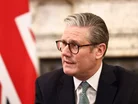
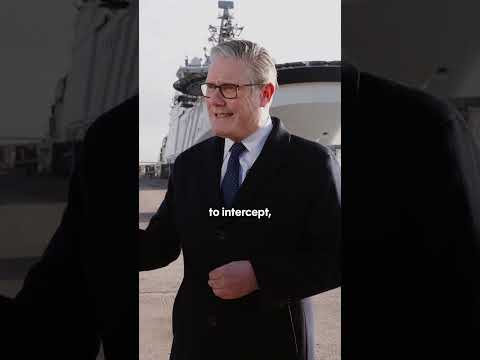
In response, Prime Minister Sir Keir Starmer has authorised the seizure of shadow fleet vessels entering UK waters. This aligns with similar actions taken by France, Belgium and Sweden, signalling growing European coordination on energy-related enforcement.
“We are living in an increasingly volatile and dangerous world, facing threats from different fronts across the world every day," he says.
“As prime minister, my first duty is to keep this country safe and protect British interests here and abroad.
"Putin is rubbing his hands at the war in the Middle East because he thinks higher oil prices will let him line his pockets.
"That's why we're going after his shadow fleet even harder, not just keeping Britain safe but starving Putin's war machine of the dirty profits that fund his barbaric campaign in Ukraine.
"He and his cronies should be in no doubt; we will always defend our sovereignty and stand with Ukraine for as long as it takes."
Reshaping global energy flows
The UK’s move will make it riskier and more expensive for Russia to transport oil, rerouting tankers and increasing costly sea routes.
Analysts suggest the disruption could tighten global supply in the short term, particularly in Europe’s refined product markets.
Starmer will join leaders from the Joint Expeditionary Force (JEF) – a coalition of ten northern European nations – to coordinate further responses to Russian aggression.
For now, Britain’s effort to dismantle the shadow fleet underscores how energy policy remains at the heart of modern conflict economics, as nations seek both to secure supply and to deny adversaries the means to profit from instability.