Iran-US-Israel War Sees Oil Prices Exceed US$100 per Barrel

The price of oil has reached a four-year high, with the cost of barrels breaching the hundred-dollar mark for the first time since 2022.
This spike is as a direct result of the unfolding conflict in the Middle East, which has disrupted supplies and shipping from across the Gulf.
On 8 March, the price of Brent crude crossed US$101.81 a barrel, before climbing above US$108, marking the largest single-day jump in the price of oil in six years.
Meanwhile, overnight prices for West Texas Intermediate neared US$120 as the conflict's grip on global supply tightened.
Crisis in the Strait of Hormuz
At the heart of the crisis lies the Strait of Hormuz, the narrow waterway between Iran and Oman through which roughly 20 million barrels of oil a day – around 20% of the world's supply – ordinarily flows.
Since hostilities began, Tehran has brought shipping through the Strait to a halt, leaving some 200 tankers stranded in the Persian Gulf with nowhere to go.
Meanwhile, insurers have begun refusing to cover any ships attempting to traverse the region, and the Trump administration's offer of naval escorts has done little to tempt shipping companies back into the water.
Infrastructure under fire
The damage extends well beyond the strait itself.
Saudi Aramco's vast Ras Tanura refinery and crude export terminal has closed it doors following attacks, with the extent of damage on the site still unclear.
Elsewhere, Qatar declared force majeure on its gas exports after Iranian drone strikes hit key facilities, and sources told Reuters it could take at least a month for production to return to normal.
The significance of this cannot be understated, given that Qatar supplies roughly 20% of global liquefied natural gas (LNG).
Amir Zaman, Head of the Americas Commercial Team at Rystad Energy, cautions that the damage may in fact outlast the fighting itself.
"The conflict could be ended, but it could take days or weeks or months, depending on the types of fields, age of the field, the type of shut-in that they've had to do before you can get production back up to what it once was," he said.
Markets in freefall
The scale of the disruption has shaken up financial markets in the energy sector and beyond.
Asian stocks fell sharply on Monday, with Japan's Nikkei 225 closing down more than 5% and South Korea's KOSPI dropping 6%, while European markets also opened lower.
Natasha Kaneva, Head of Global Commodities Research at JPMorgan, was blunt in her assessment of the situation.
"Our base case assumed that an unprecedented disruption would remain improbable. That assumption failed," she told clients in a note, adding that the conflict had already produced the first near-total halt to Hormuz shipping in modern history.
How high could the price of oil rise?
The question now preoccupying traders is not whether prices will stay high, but how high they could go.
Natasha believes that if the war were to last more than three weeks, the storage capacity of the Gulf states would be exhausted, forcing a shutdown of production and pushing Brent towards US$120 a barrel.
Francisco Blanch, Commodity Strategist at Bank of America, went further, suggesting a prolonged disruption could spike Brent prices by between US$40 and US$80 per barrel.
Qatari Energy Minister Saad al-Kaabi warned in an interview with the Financial Times on Friday that all of the region's producers could soon be forced to halt production entirely and that prices could reach US$150 a barrel.
Iran's Revolutionary Guard Corps added its own threat, warning on Sunday that oil could soar to US$200 a barrel if the US and Israel "continue this game".
How the US is reacting to the markets
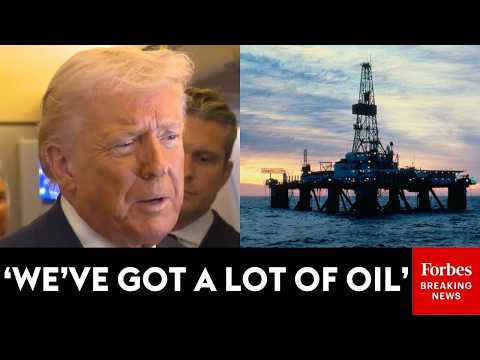
The price spike has become an uncomfortable political reality for US President Donald Trump, who had previously touted lower energy costs as a signature achievement of his administration.
In a post on Truth Social, Trump sought to minimise the surge.
"Short term oil prices, which will drop rapidly when the destruction of the Iran nuclear threat is over, is a very small price to pay for U.S.A., and World, Safety and Peace. ONLY FOOLS WOULD THINK DIFFERENTLY!" he wrote.
It marks only the second time since Russia's invasion of Ukraine in 2022 that oil has crossed the US$100 threshold – a level reached after the conflict disrupted 20% of global oil supply for nine days and counting.
For now, the Strait of Hormuz remains shut, the tankers remain stranded and the market remains on edge – waiting for either a ceasefire or the next escalation.






Executives

Amir Zaman
Head of the Americas Commercial Team
Natasha Kaneva
Head of Global Commodities Research

Saad al-Kaabi
CEO