Why is Shell Selling Gas Stations to ADNOC in South Africa?

Shell's fuel retail history in South Africa stretches back more than 100 years, but that chapter in the company's history looks set to close.
ADNOC Distribution, the publicly listed retail arm of the Abu Dhabi National Oil Company, has agreed to buy Shell's South African fuels business in a deal worth US$1bn, according to the Financial Times.
The transaction covers 580 company and dealer-owned service stations, alongside lubricants, commercial fuels, aviation and marine operations.
It brings to an end a divestment process that Shell first flagged back in 2024, when it announced plans to exit its majority stake in Shell Downstream South Africa following a broader review of its global operations.
The deal is expected to be fully completed next year.
- Employees: 50,000
- HQ: Abu Dhabi, United Arab Emirates
- Production capacity: 4.85 million barrels per day
- Operational reach: 20 countries
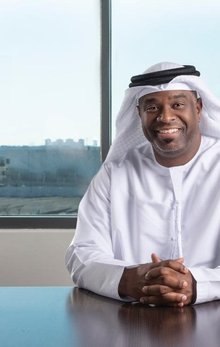
- CEO: Sultan Ahmed Al Jaber (Group), Bader Saeed Al Lamki (ADNOC Distribution)
Why Shell is stepping back
This marks the company's second major, national-level sale this year, after Les Échoes reported Shell planned to sell its French service stations in May.
In France, the rationale centred on thin retail margins and a decision to pivot towards higher-return upstream assets – something which was exemplified by Shell's US$16.4bn acquisition of ARC Resources.
The firm's decision in South Africa aligns with that same strategy.
Downstream fuel retail, the business of selling petrol and diesel directly to consumers through forecourts and convenience stores, tends to generate lower and more volatile margins than exploration and production.
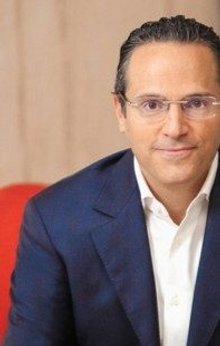
Under the leadership of CEO Wael Sawan, Shell has been steadily trimming these kinds of assets in favour of large-scale projects.
Abu Dhabi's expanding footprint
For ADNOC Distribution, the acquisition is less about retreat and more about ambition. South Africa will become the fourth country in which the company has built a retail presence within the past eight years.
This latest purchase follows the 2018 launch of ADNOC's own retail fuel stations in Saudi Arabia and a 2023 deal that saw it acquire a 50% stake in TotalEnergies Marketing Egypt.
State-backed Gulf energy companies have grown increasingly active as buyers of overseas retail and distribution assets, often stepping in where western majors, are choosing to sell.
ADNOC Distribution said in a statement that "South Africa's investments in critical transport infrastructure, alongside a growing driving-age population, reinforce the growth potential of fuel consumption".
Bader Saeed Al Lamki, the company's CEO, said the deal reflected confidence in the country's "high-potential, well-regulated" fuel retail market, pointing to a business case built on demographics as much as infrastructure.
The numbers behind the network
The scale of the business changing hands is considerable. Shell's South African operation recorded fuel volumes of approximately 3.5 billion litres in 2025.
It also ran 360 convenience stores across its network of forecourts.
ADNOC Distribution expects the acquisition to lift its earnings per share by 6% in the first full year after completion, a meaningful uplift for a single market entry.
And while Shell will no longer be involved in the running of these sites, it is important to note that ADNOC plans to retain the Shell brand across all the retail service stations and lubricants businesses it is buying, at least for now.
A local partner in the mix
One detail worth noting is ADNOC Distribution's plan to sell a 28% stake in the South African entity to a local empowerment partner and an employee stock option plan once the deal completes.
This is likely a nod to South Africa's broad-based black economic empowerment framework, which encourages foreign investors to bring local ownership into major transactions.

It is a structural feature that will be familiar to anyone tracking energy deals in the country, and one that distinguishes this transaction from ADNOC earlier moves in Saudi Arabia and Egypt.
Whether the Shell brand survives on South African forecourts in the long run remains an open question.
For now, the deal marks another data point in a wider reshuffling of downstream fuel assets between western majors and cash-rich Gulf state companies.
Company portals
Executives
Bader Al Lamki
Chief Executive Officer
Wael Sawan
Chief Executive Officer