
Is Burning Rubbish for Electricity a ‘Disaster for Climate’?
Leaps and strides towards better electricity generation — whether it be greener, more efficient or more reliable — are being made worldwide.
One such notable milestone came at the end of September with the closing of the Ratcliffe-on-Soar Power Station, the UK’s last remaining plant burning coal to produce electricity.
This sounds like a positive stride toward sustainable power generation, particularly with the UK being the birthplace of coal power and the first major economy to give it up for good.
However, dirty practices prevail.
Burning rubbish now the UK’s filthiest form of power generation

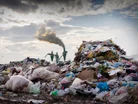
Despite making such a conscious move away from fossil-fuel burning practices, BBC analysis now reveals that burning household rubbish in giant incinerators to generate electricity is now the most polluting form of power generation in the UK.
Nearly half of the rubbish produced in UK homes — including plastic — is being incinerated in this practice.
Currently, about 3.1% of the UK’s energy comes from waste incinerators and, although this seems small, the impact is significant.
The UK Climate Change Committee warns that incineration will make up an increasing part of emissions from electricity generation.
The UK government had said that incinerators were a green alternative to waste ending up in landfill.
This is true for food waste — which produces less harmful greenhouse gases when burned — but other household waste items, such as oil-based plastics, have the opposite effect.
The BBC has found that the environmental impact of waste incineration is vast.
Energy produced from waste is five times more polluting than the average UK unit of electricity, its research says.
Its data also shows that plastic waste — being sent to incinerators at an increasing rate — produces 175 times more CO₂ when burned compared to being buried in landfill.
Greenpeace research suggests that 46% of plastic waste is incinerated and, for every tonne of dense plastic burned, more than two tonnes of CO₂ is released into the atmosphere.
UK Climate Change Committee’s Professor Keith Bell says of the BBC's findings: “If the current government is serious about clean power by 2030 then we cannot allow ourselves to be locked into just burning waste.”
How is incinerating waste getting in the way of net zero goals?
The International Energy Agency’s (IEA) Net Zero by 2050 Roadmap sets out more than 400 milestones for what needs to be done — and when by — to decarbonise the global economy in just three decades.
It says that incineration is not a viable solution to the plastic crisis, citing its impact on the climate, air quality and human health.
Scientists also warn on how waste incineration practices are a “disaster for the climate”, with some calling for a ban on new incinerators.
Calling burning household waste an “insane situation”, the University of Southampton applied environmental science professor Dr Ian Williams says: “The current practice of the burning of waste for energy and building more and more incinerators for this purpose is at odds with our desire to reduce greenhouse gas emissions.
“Increasing its use is disastrous for our climate.”
On top of incinerators expelling dirty carbon dioxide into the atmosphere, most facilities lack carbon capture technology — leaving emissions unchecked and itseffects uncurbed.
And it doesn’t stop there: despite its negatives, global expansion of waste incineration continues.
New plants are being built despite environmental concerns, undermining international efforts to reduce emissions and achieve clean power targets.
Receive the next edition of ClimateTech Magazine by signing up for its newsletter.
As part of this portfolio, make sure you check out Sustainability Magazine and also sign up to our global conference series - Sustainability LIVE.
Also check out our Sister Brand, Energy Digital.