The Role of Oil & Gas in the Iran-US Nuclear Negotiations
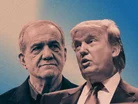
Negotiations between the US and Iran over a potential nuclear peace agreement first began almost a year ago.
Since the first round of bilateral talks ended in early June 2025, however, a great deal has changed.
The so-called 12-Day War between Israel and Iran began after the talks were adjourned. Then, in late December, vast protests began to take place across Iran, resulting in the deaths of thousands of Iranian citizens following the military response of the government.
Now, however, with tensions and stakes high both domestically and regionally, negotiations appear to be progressing.
Energy as a bargaining chip
Iran has placed joint energy investments at the heart of its second round of nuclear negotiations with the US, signalling a willingness to offer Washington direct economic stakes in Iranian oil and gas fields.
"For the sake of an agreement's durability, it is essential that the US also benefits in areas with high and quick economic returns," Hamid Ghanbari, Deputy Director for Economic Diplomacy at Iran's foreign ministry, told the Fars news agency on 15 February.
He listed potential areas of cooperation including "common interests in the oil and gas fields, joint fields, mining investments and even aircraft purchases".
The proposal marks a significant shift in Tehran's negotiating strategy as talks resume in Geneva on Tuesday, with Iranian Foreign Minister Abbas Araghchi meeting both US envoys and the Head of the International Atomic Energy Agency (IAEA).
Oil production hangs in the balance
Iran's oil output currently stands at around 3.2 million barrels per day, a figure that could move sharply in either direction depending on the outcome of the negotiations.
More than 80% of these exports flow to China, making Beijing Iran's dominant energy customer and economic lifeline under existing US sanctions.
That trade route is now facing fresh threats after US President Donald Trump and Israeli Prime Minister Benjamin Netanyahu agreed at a White House meeting to work on reducing Iranian oil exports to China, according to Axios reporting on Saturday.
Any substantial cut to China-bound volumes would significantly diminish Iran's oil revenues, adding economic pressure to the military build-up already underway in the Persian Gulf.
Military pressure mounts as diplomacy proceeds
The US has dispatched a second aircraft carrier to the region and is preparing for a sustained military campaign if diplomatic efforts fail, US officials have told Reuters.
US Secretary of State Marco Rubio, speaking in Bratislava, acknowledged the challenge ahead while noting Trump's preference for diplomacy.
"No one's ever been able to do a successful deal with Iran but we're going to try," he said.
Steve Witkoff and Jared Kushner will represent the White House in Geneva, likely joined again by Brad Cooper, the senior US military commander who unexpectedly attended the first round of talks in Muscat earlier this month.

Will a deal be agreed?
Hamid Ghanbari's comments suggest Iran has studied the failure of the 2015 nuclear pact and concluded that Washington needs tangible economic returns to sustain any agreement.
The 2015 deal eased sanctions on Iran in exchange for nuclear programme curbs but did not secure US commercial interests in Iran’s energy sector.
Tehran now appears willing to offer American companies stakes in oil and gas development in the region, potentially including access to shared fields that straddle Iran's borders.
Deputy Foreign Minister Majid Takht-Ravanchi told the BBC on Sunday that the ball was "in America's court to prove that they want to do a deal", while signalling readiness to compromise in return for sanctions relief.
However, he reiterated that Tehran would refuse to cease its enrichment of uranium, a key sticking point in past negotiations.