
DNV and the Dynamic Landscape of Wind Turbine Development

Wind power is a major force in the renewable energy sector and a key player in driving sustainable solutions.
At the core of progress and innovation in this sector are technological advancements and evolving industry standards which, in turn, ensure the reliability and safety of wind turbines.
Ensuring the ongoing safety and smooth operation of wind turbines is DNV, which has ripped up the rulebook by updating its DNV-ST-0376 rotor blade certification standard.
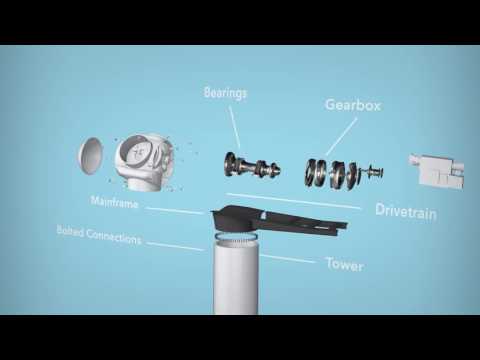
DNV: Making wind turbines better and safer with blade regulation
To address the intricate needs of modern wind turbine owners, manufacturers and operators, DNV has revised legislation to ensure heightened reliability standards — crucial to keeping pace with advancements — are met, and, as an added bonus, perform to desired levels.
This comes specifically in the form of addressing the unique requirements of large, flexible blades for multi-megawatt turbines.
“The pace of modern wind turbine development demands that industry standards keep pace with changing trends and technologies,” says Kim Sandgaard-Mørk, Executive Vice President for Renewables Certification at DNV.
“Through the development of industry service documents such as service specifications, standards and recommended practices, DNV is actively engaged in driving the renewable energy sector forward.
“This update underscores our commitment to driving innovation and quality within the wind energy sector. By prioritising reliability and safety, we aim to bolster industry confidence and propel the global transition towards sustainable energy solutions."
How DNV is accelerating renewable energy progress
DNV is accelerating the progress of renewable energy by setting high standards, fostering collaboration, educating stakeholders, driving innovation and aligning with global standards.
These efforts ensure that renewable energy systems are more reliable, efficient and widely adopted, supporting the global transition to sustainable energy.
In short, DNV is propelling the renewable energy landscape, particularly through the wind sector, by the following means:
- Setting standards: Including through updated rotor blade standards and a focus on reliability to ensure long-term performance
- Collaborative efforts: Through joint industry projects which involve engaging stakeholders and other leading companies to ensure comprehensive guidelines.
- Enabling education and knowledge sharing: Hosting seminars and workshops that educate developers, owners and operators about new standards and best practices
- Driving innovation: Thanks to investment in R&D, new technologies and methods, renewable energy systems are improved
- Aligning global standards: Enabled through international collaboration and streamlined certification standards, simplifying the process for all parties.
“Not all wind turbine blades are created equal,” adds Christopher Harrison, Principal Engineer and Service Line Leader for Component Certification, Energy Systems at DNV.
“Different design assumptions and methods, along with varying performance during validation tests, can result in differing blade performance over their lifespan. As stakeholders in the wind energy sector, it's crucial to understand and mitigate these risks."
How is DNV shaping the dynamic landscape of wind turbine development through regulation?
DNV collated 26 leading companies across the wind turbine sector to contribute to its refinement and review of turbine standards.
- Enhanced reliability through rigorous requirements and approaches
- Alignment with international standards, facilitating streamlined certification processes
- Introduction of novel concepts such as damage tolerance, elevating safety standards to new heights
- Greater focus on design for manufacture and understanding the relationship between manufacturing quality and reliability.
“Our goal was to provide wind turbine stakeholders with the tools and knowledge necessary to navigate the complexities of blade development,” Christopher concludes.
“By working together through this joint industry project, we could drive improvements in standards that benefitted the entire industry.”
*******************
Make sure you check out the latest edition of Energy Digital Magazine and also sign up to our global conference series - Sustainability LIVE 2024.
*******************
Energy Digital is a BizClik brand.